

This week balances methodological rigor with practical market insights. Tail risk estimation and time-series validation trade-offs address foundational modeling challenges, while label engineering and LLM look-ahead bias expose common pitfalls in factor and AI development. Key reads: Semi-Discrete Optimal Transport, Time-Series Validation Trade-Offs Revisited, and Label Engineering for Stock Selection.
Top picks
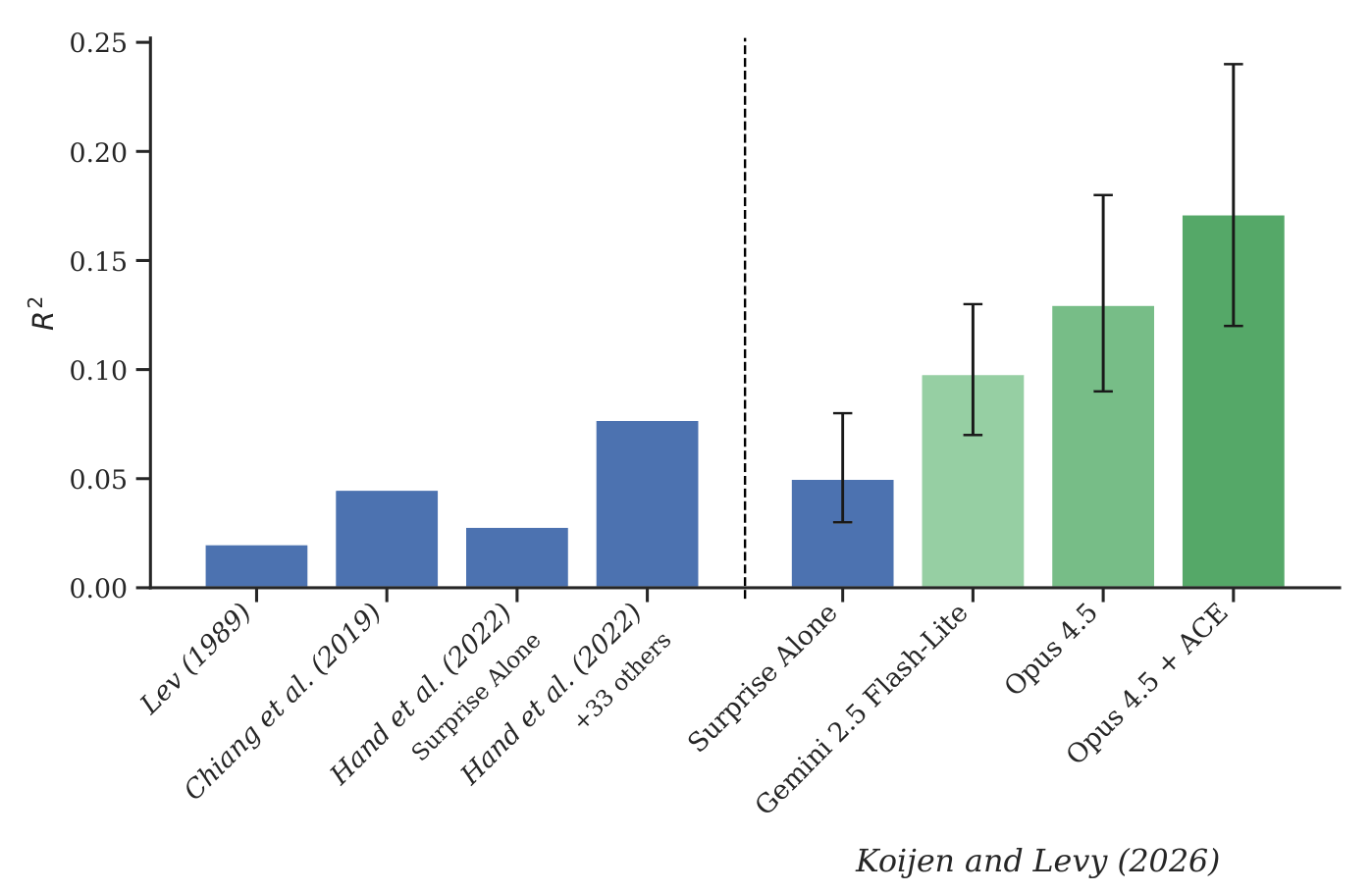
Agentic AI Systems Beat Asset Pricing Benchmarks: Optimized AI systems analyzing earnings call transcripts double explained variation in stock returns versus standard benchmarks while improving interpretability through human-readable decision rules. (RePEc · ML & AI Methods)
Frozen Referee for Agent Factor Mining: Proposes a statistical referee that judges investment factors proposed by language-model agents using out-of-sample market outcomes, ensuring false-discovery control at any stopping time. (arXiv · ML & AI Methods)
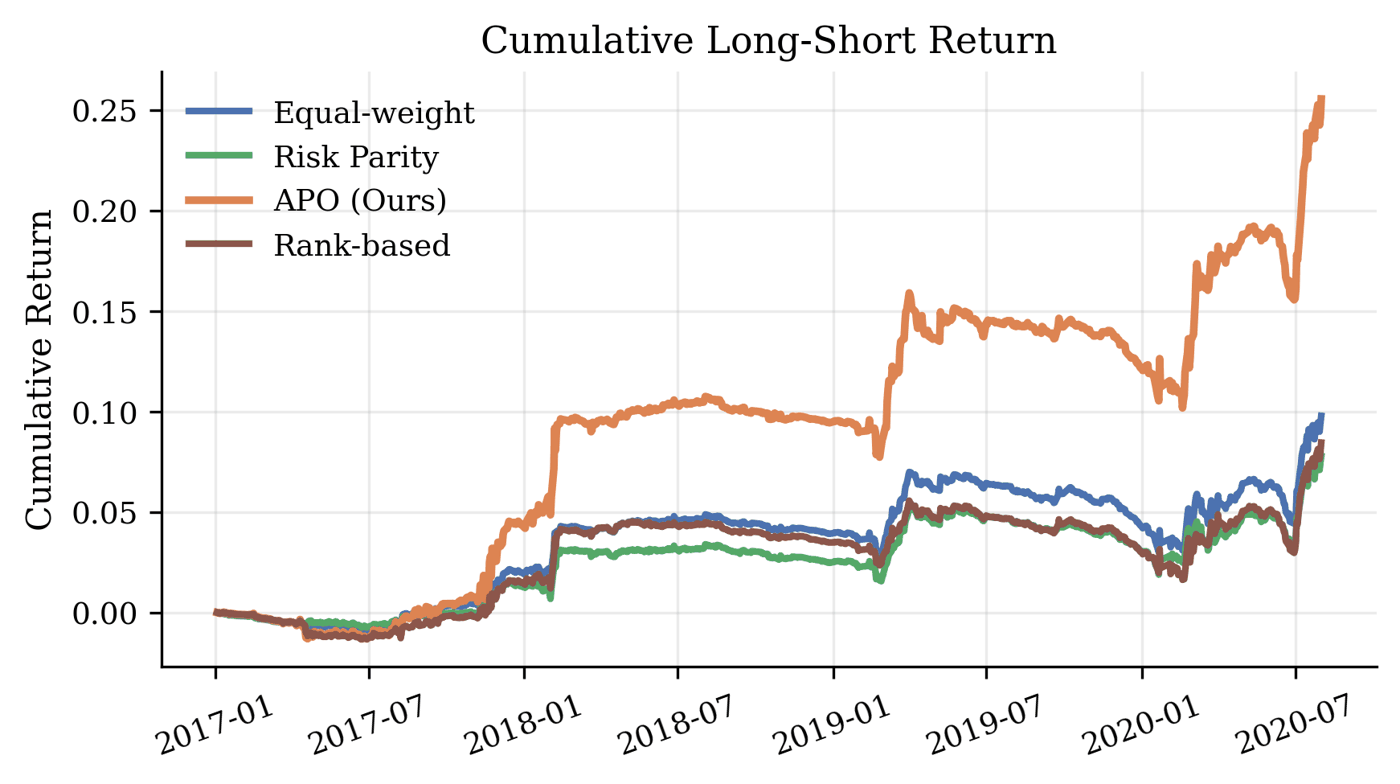
Label Engineering for Stock Selection: Reshaping the prediction target through location, scale and shape transformations raises long-short Sharpe from 0.68 to 1.69, with label choice mattering more than model choice. (SSRN · ML & AI Methods)
Tail Risk via Semi-Discrete Optimal Transport: Proposes semi-discrete optimal transport to capture heavy tails in financial returns, maintaining stable tail ratio estimates across diverse neural generators when standard Lipschitz methods fail. (arXiv · Risk, Credit & Banking)
Artificial Intelligence and Financial Markets: A survey examines how AI transforms information production, intermediation, and market structure, with implications for efficiency, competition and financial stability. (SSRN · ML & AI Methods)
What’s rising
Option pricing: 1.8% of this week’s 791 new papers, 3.0x its share over the previous 2-3 weeks (0.6%). (14 papers this week vs a typical 4.6) In this issue: Training Option Models on Prices not Volatility, Surface-Driven Stochastic Volatility for Commodities, Physics-Constrained Neural Operators for Option Pricing.
Anomalies: 3.0% of this week’s 791 new papers, 2.2x its share over the previous 2-3 weeks (1.4%). (24 papers this week vs a typical 11) In this issue: Margin Debt Growth and Factor Momentum, LLM Factor Search with Transaction Cost Penalties, Rate Insurance in Equity and Bond Returns.
Jump processes: 1.8% of this week’s 791 new papers, 2.3x its share over the previous 2-3 weeks (0.8%). (14 papers this week vs a typical 6.1) In this issue: Tail Risk via Semi-Discrete Optimal Transport, Adversarial RL for Hawkes Market Making, Carry Trade Returns and Crash Risk.
Monte Carlo: 3.2% of this week’s 791 new papers, 1.7x its share over the previous 2-3 weeks (1.8%). (25 papers this week vs a typical 14.5) In this issue: Stochastic Nested Fixed Point BLP Estimation, Surface-Driven Stochastic Volatility for Commodities, Physics-Constrained Neural Operators for Option Pricing.
Implied volatility: 3.0% of this week’s 791 new papers, 1.7x its share over the previous 2-3 weeks (1.8%). (24 papers this week vs a typical 14.1) In this issue: Universal Diffusion Models for Volatility Surfaces, Training Option Models on Prices not Volatility, Machine Learning for Implied Volatility Forecasting.
arXiv
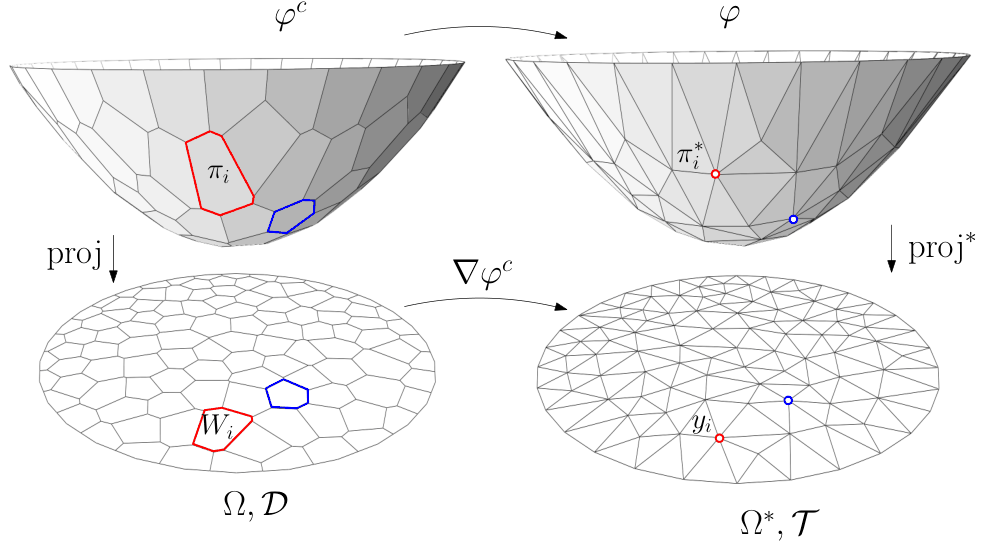
Tail Risk via Semi-Discrete Optimal Transport: Proposes semi-discrete optimal transport to capture heavy tails in financial returns, maintaining stable tail ratio estimates across diverse neural generators when standard Lipschitz methods fail. (2026-09-24, fanfare: 4)
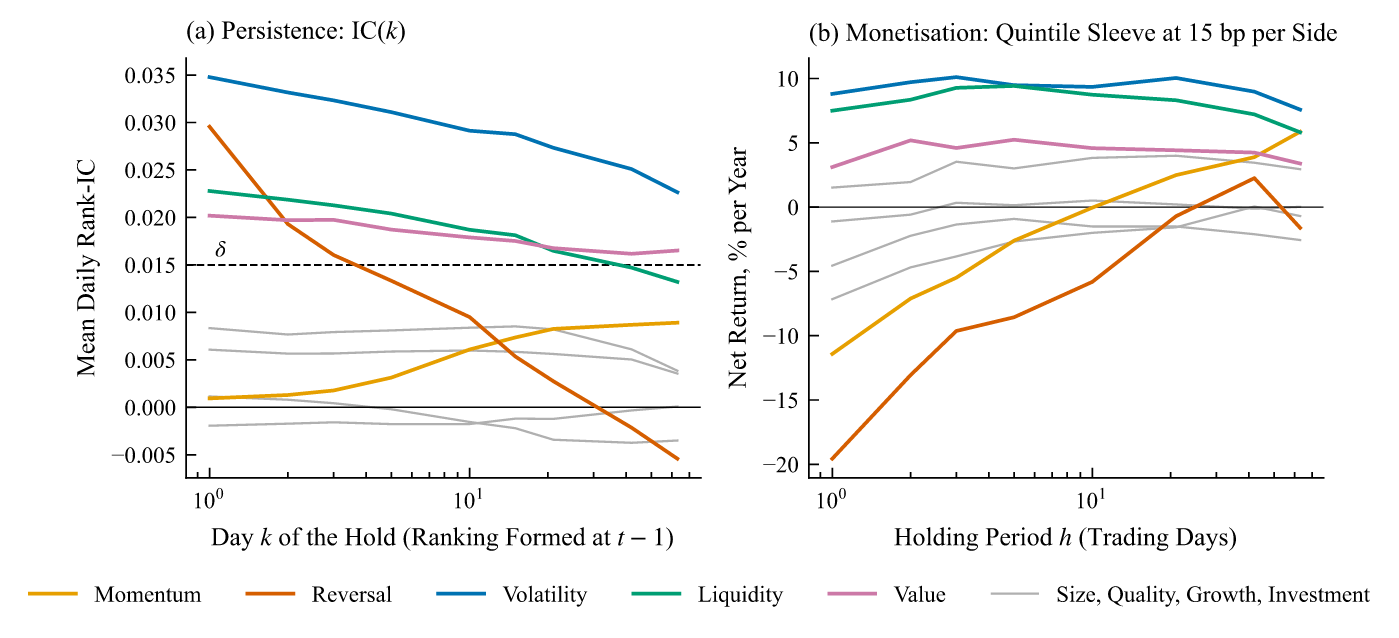
Frozen Referee for Agent Factor Mining: Proposes a statistical referee that judges investment factors proposed by language-model agents using out-of-sample market outcomes, ensuring false-discovery control at any stopping time. (2026-09-24, fanfare: 4)
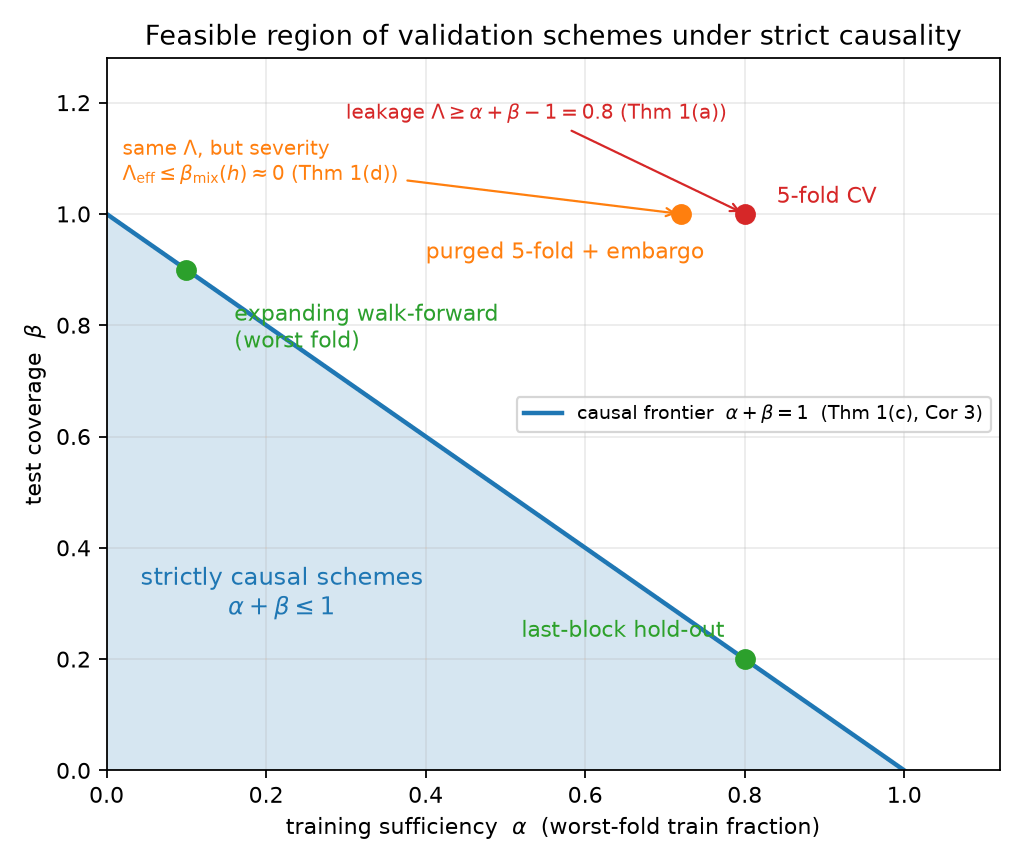
Time-Series Validation Trade-Offs Revisited: Proves that training sufficiency, test coverage, and temporal causality cannot be maximized simultaneously in time-series validation, pricing each constraint explicitly. (2026-09-25, fanfare: 4)
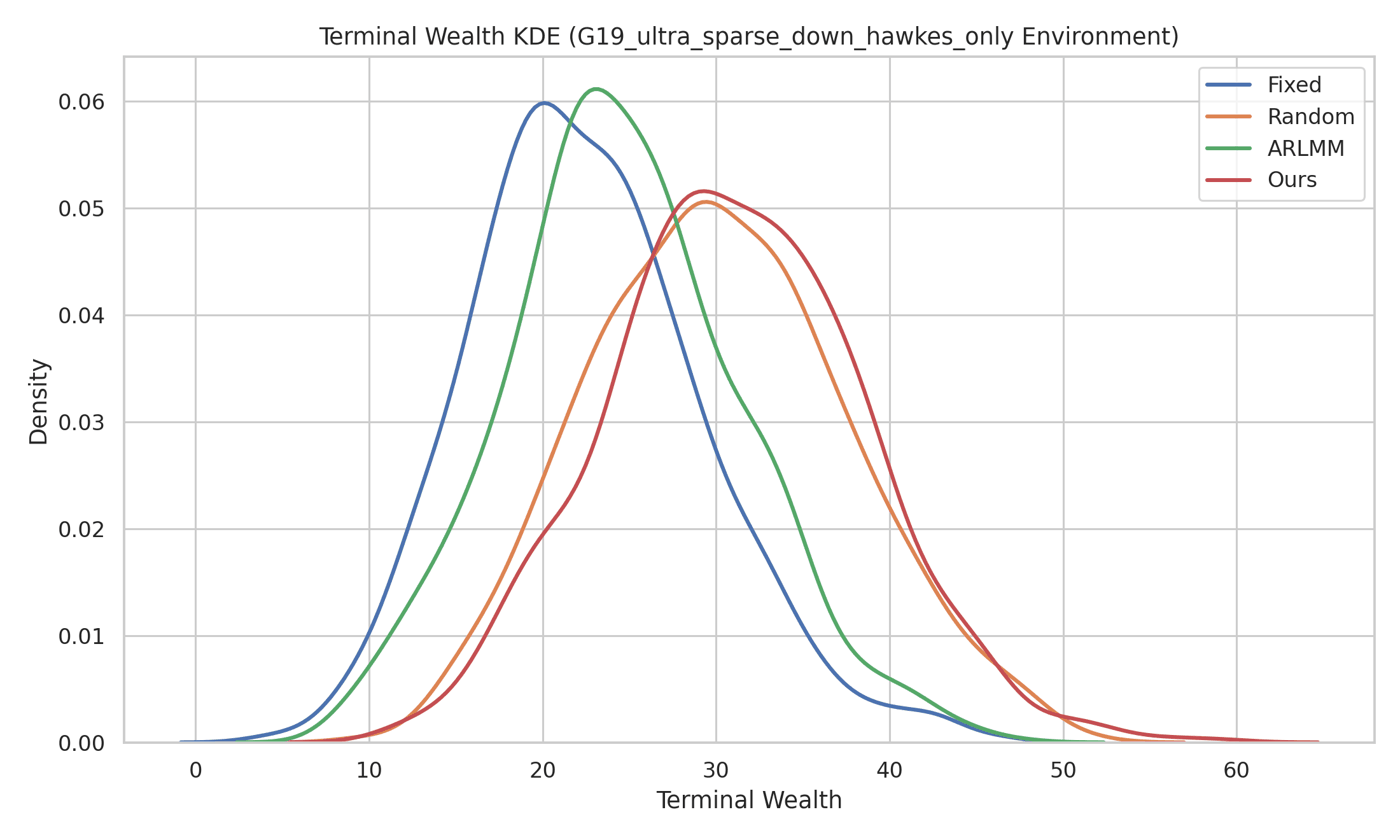
Adversarial RL for Hawkes Market Making: The research extends adversarial reinforcement learning for market making to handle self-exciting order arrivals and price impact, using an LSTM module to improve robustness in complex microstructure environments. (2026-09-22, fanfare: 3)
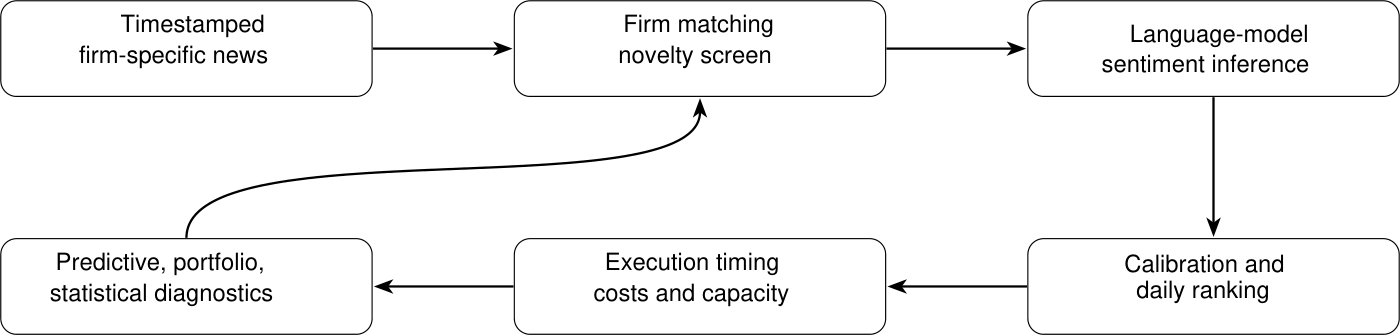
MFAST Framework for News-Based Trading: Introduces a market-friction-aware framework that converts timestamped financial news into auditable trading decisions while accounting for execution timing, transaction costs, and liquidity constraints. (2026-09-22, fanfare: 3)
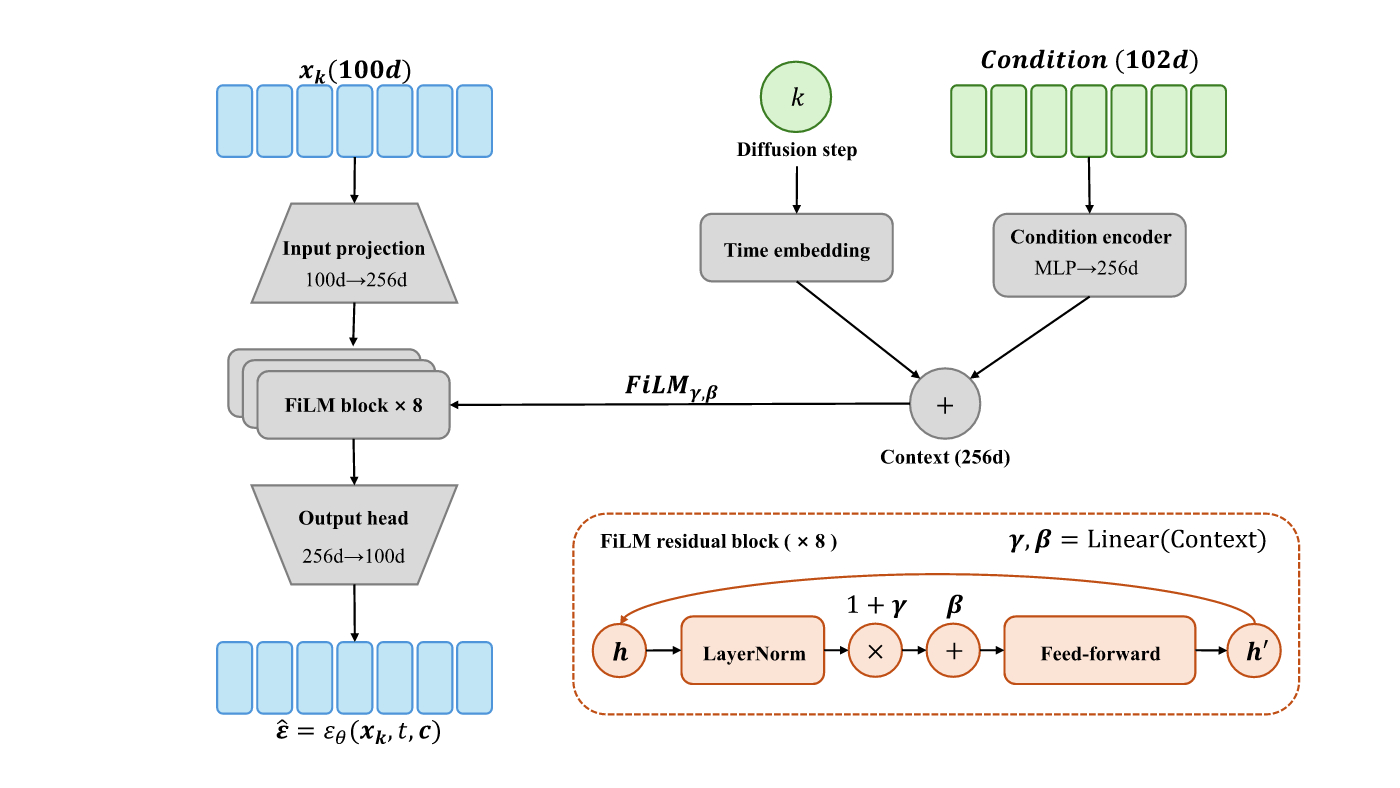
Universal Diffusion Models for Volatility Surfaces: A universal diffusion model trained on pooled data from 50 stocks learns to jointly generate implied volatility surface changes and stock returns, extrapolating well to unseen stocks. (2026-09-22, fanfare: 3)
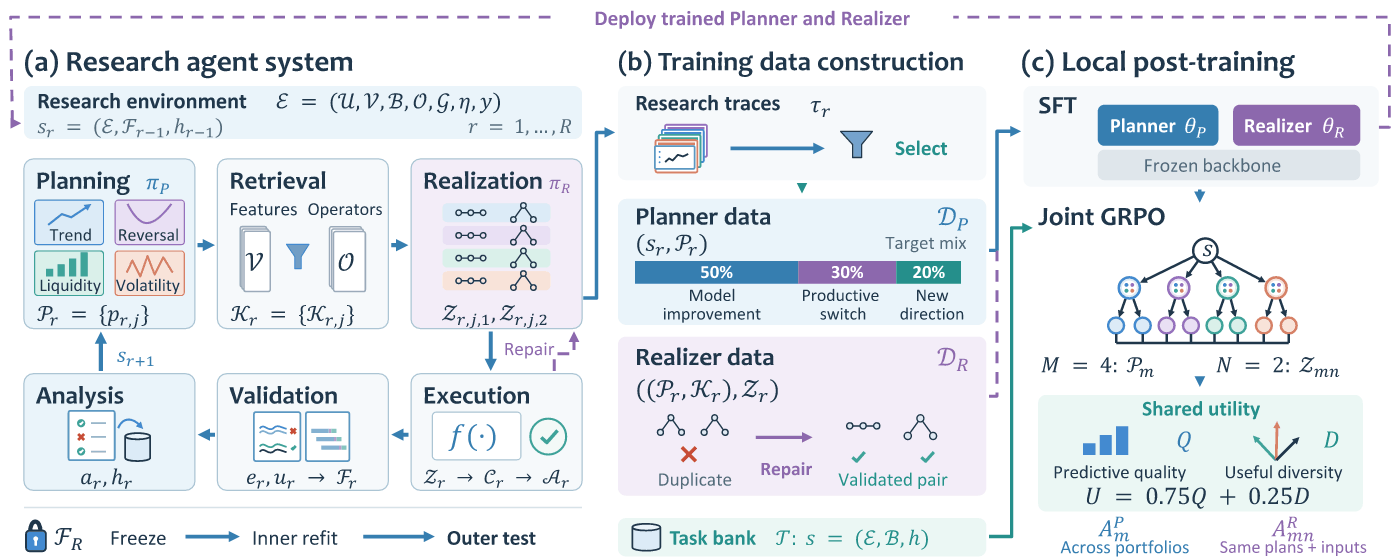
AlphaDiverse: Multi-Agent Alpha Factor Mining: Proposes a multi-agent system with post-training that automates alpha factor mining locally, using diverse research paths and joint optimization to broaden exploration while maintaining prediction quality. (2026-09-25, fanfare: 3)
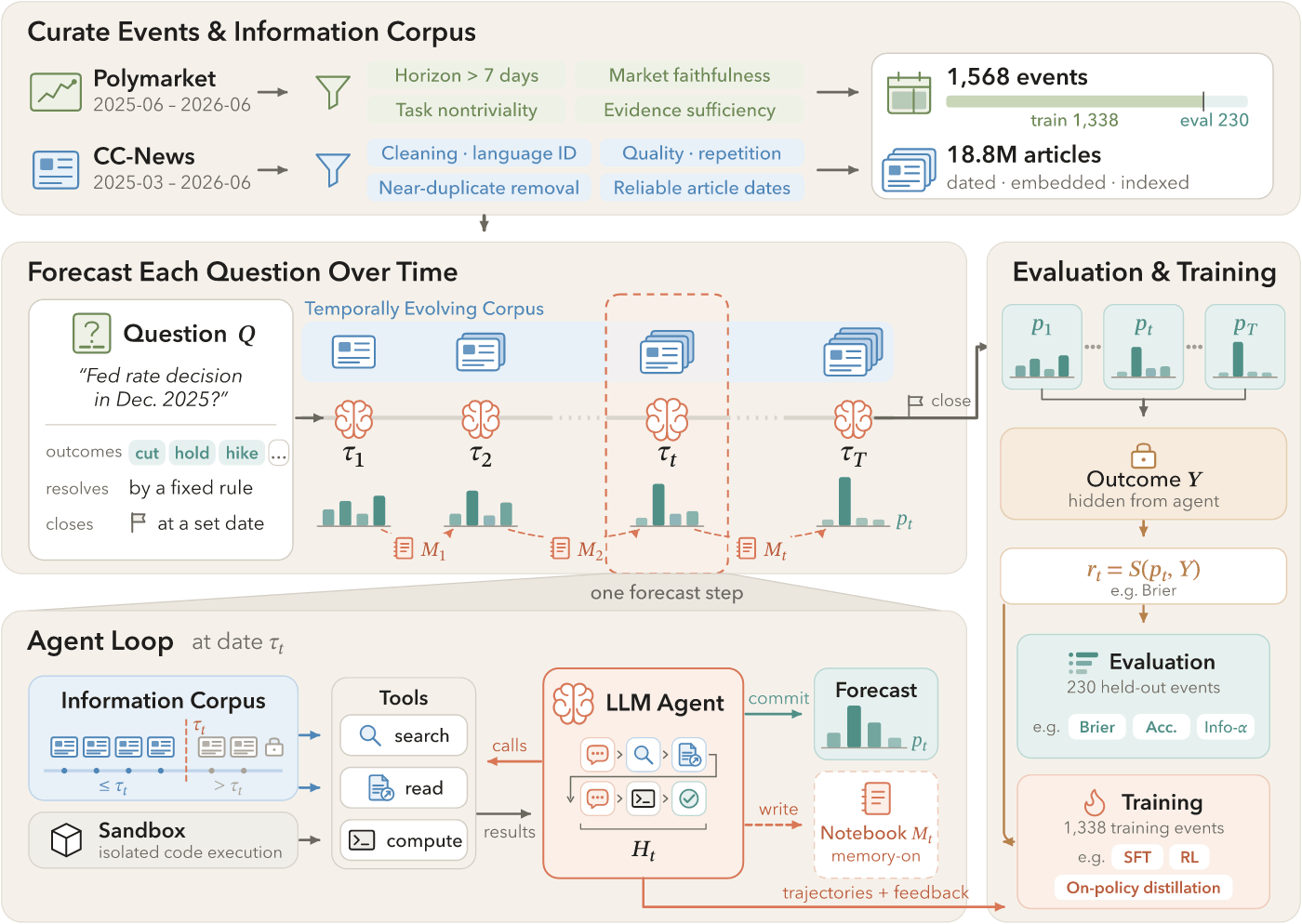
Forecast-Dojo: LLM Forecasting Benchmark: Introduces a replayable environment combining 1,568 resolved prediction-market questions with 18.8M dated news articles to benchmark and train language-model forecasting agents on historical data. (2026-09-25, fanfare: 3)
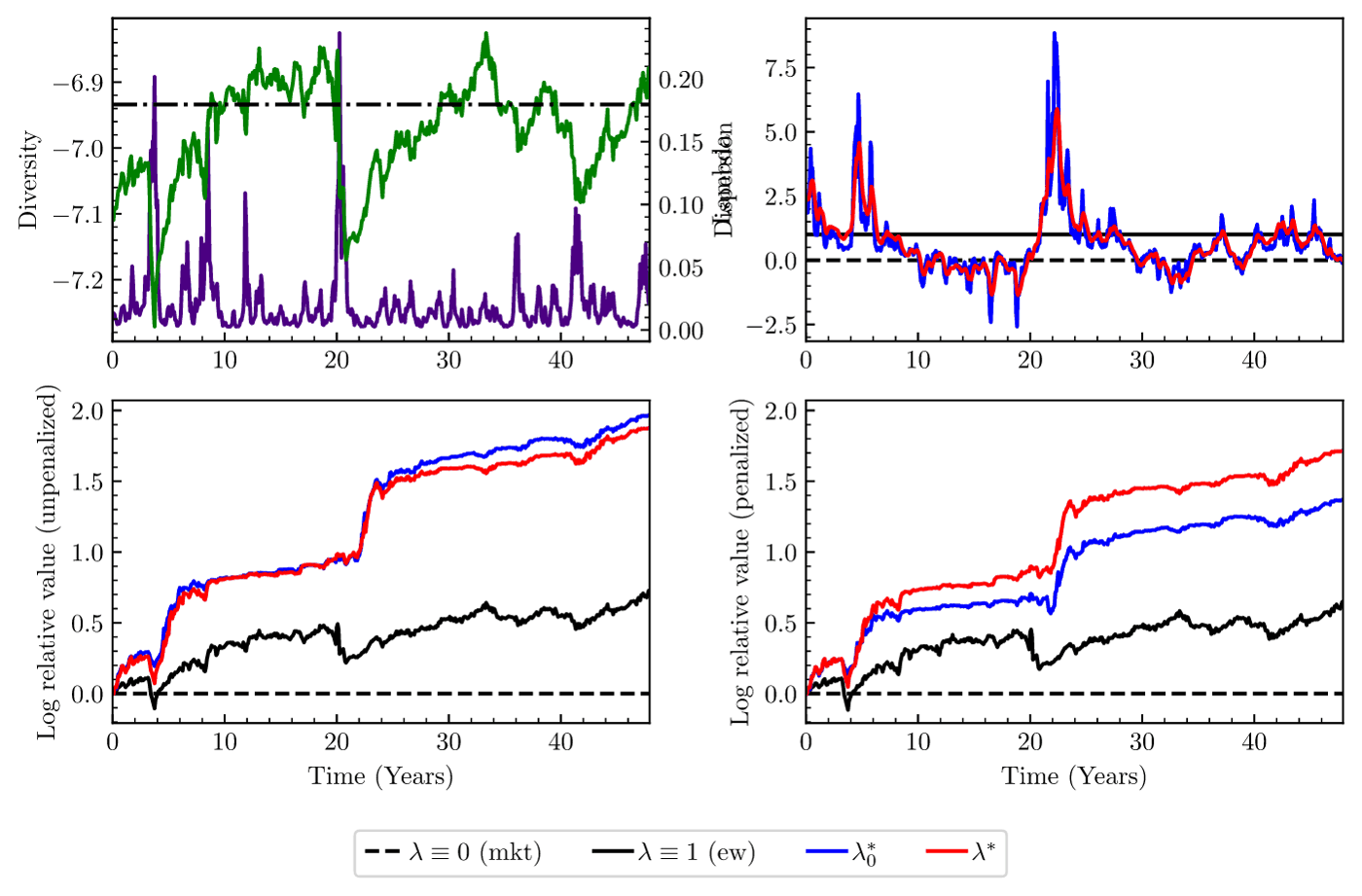
Active Portfolio Allocation with SPT: Formulates a stochastic control problem for actively allocating between equal-weighted and market portfolios based on a diversity-dispersion model, outperforming passive strategies during market bubbles. (2026-09-24, fanfare: 3)
Decision-Focused Learning for Portfolio Optimization: Proposes a KKT-based decision-focused learning method that trains mean-variance portfolio models by directly minimizing downstream portfolio loss while preserving all constraints. (2026-09-21, fanfare: 3)
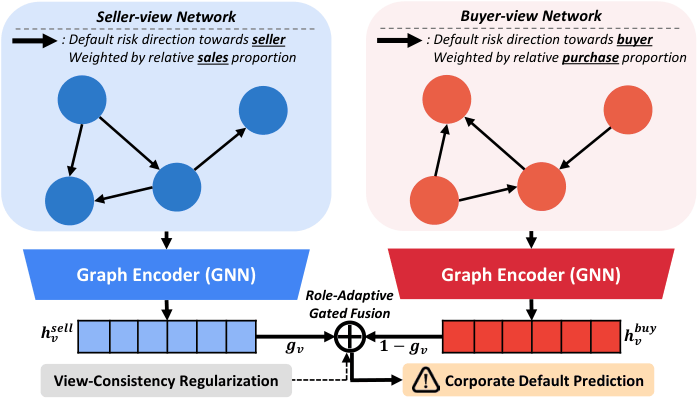
DefaultGNN for Corporate Default Prediction: A dual-perspective graph neural network framework predicts corporate defaults from buyer-seller transaction networks, improving approval rates by 7-11 percentage points without increasing default risk. (2026-09-23, fanfare: 3)
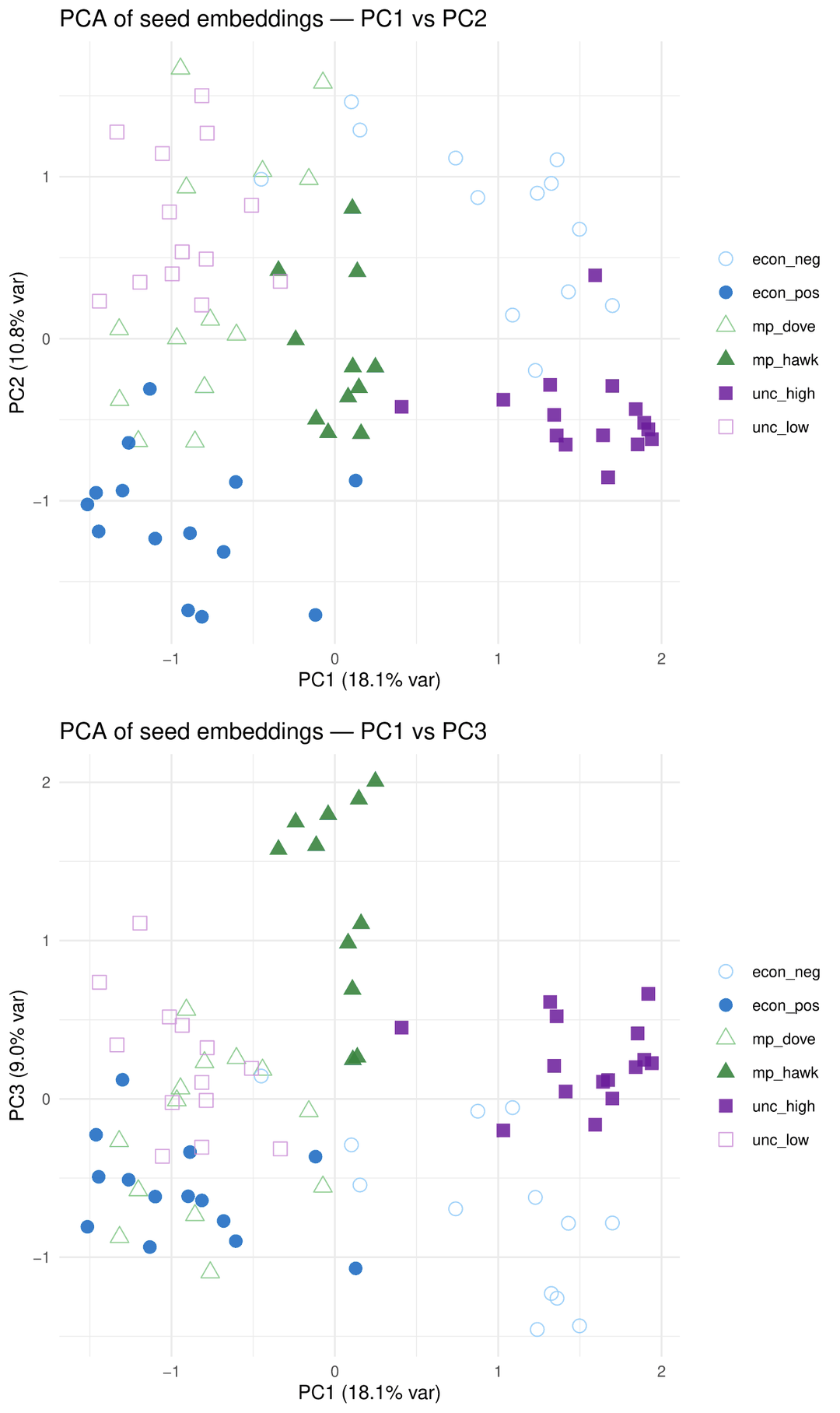
Sentiment Arcs in Central Bank Communication: The study shows that how monetary policy sentiment unfolds across a press conference, not just its average tone, predicts rate changes and shapes forecaster expectations at the ECB and Fed. (2026-09-23, fanfare: 3)
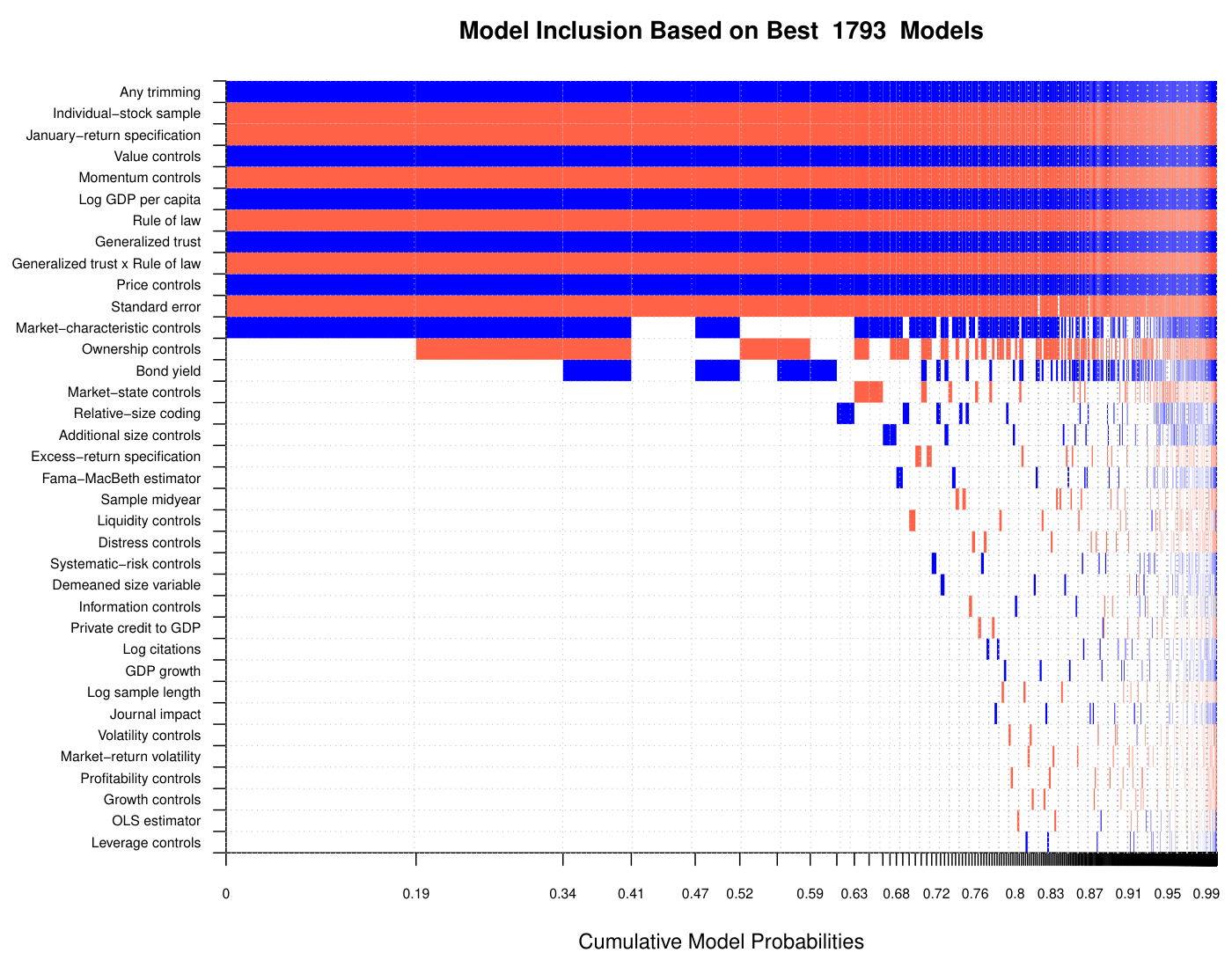
Trust, Rule of Law, and the Size Premium: Meta-analysis of 1,613 size-premium estimates across 31 countries finds that stronger rule of law is associated with larger size premia, contrary to intuition. (2026-09-23, fanfare: 3)
Multi-Task Learning for Stock Forecasting: A hierarchical multi-task framework jointly predicts price movement, volatility and volume using liquidity-aware signals, outperforming neural and tree-based baselines on Chinese equity indices. (2026-09-23, fanfare: 3)
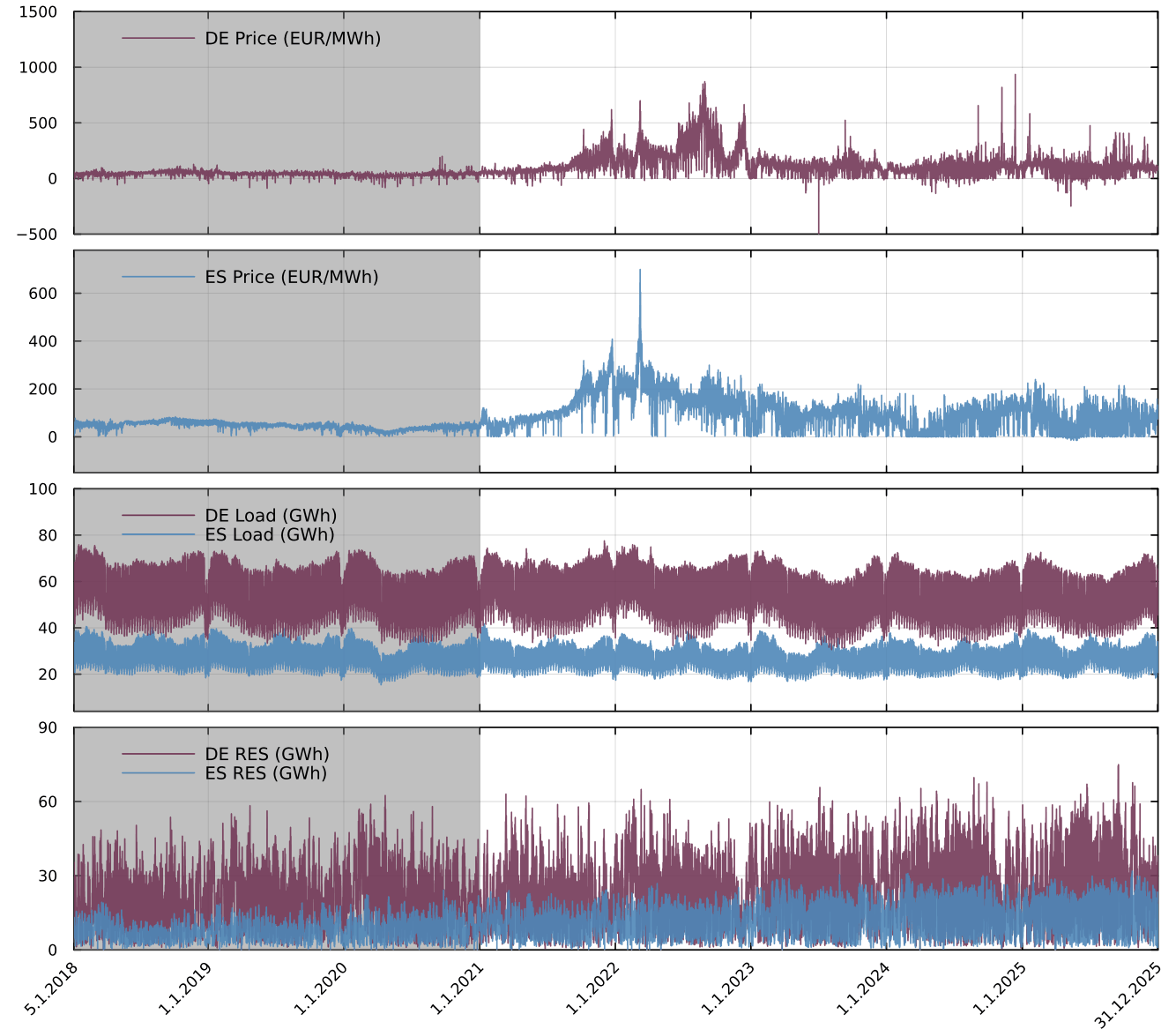
Temporal Hierarchy Forecasting for Electricity: Jointly reconciling hourly price and spread forecasts improves intraday electricity price prediction accuracy by up to 19.7% and battery-arbitrage profits by up to 10.4%. (2026-09-22, fanfare: 3)
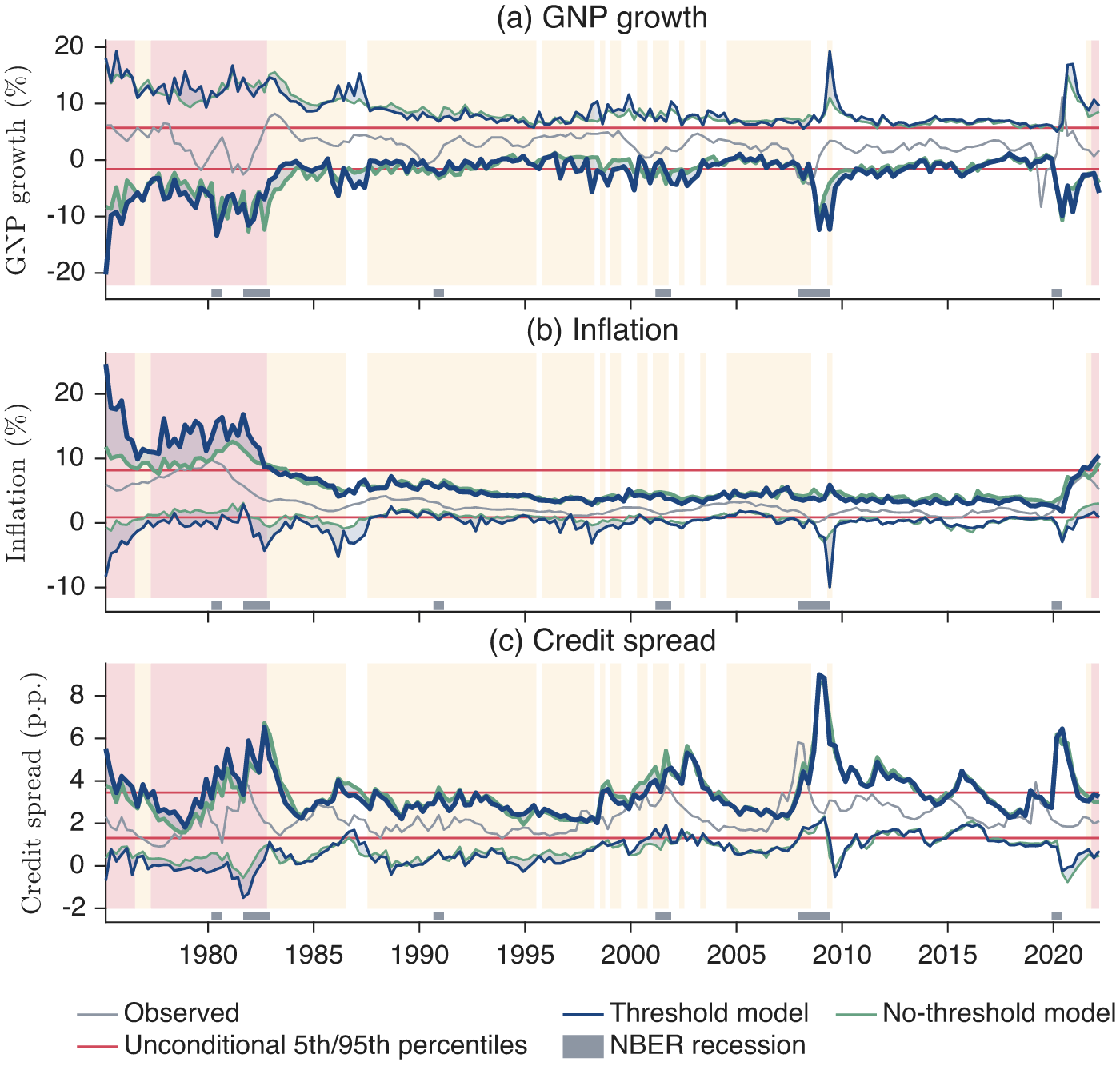
Macroeconomic Tail Risk Drivers: A regime-switching volatility-in-mean VAR reveals that the drivers of growth and inflation tails differ from median dynamics, with macroeconomic uncertainty playing a larger role in downside risk. (2026-09-24, fanfare: 3)
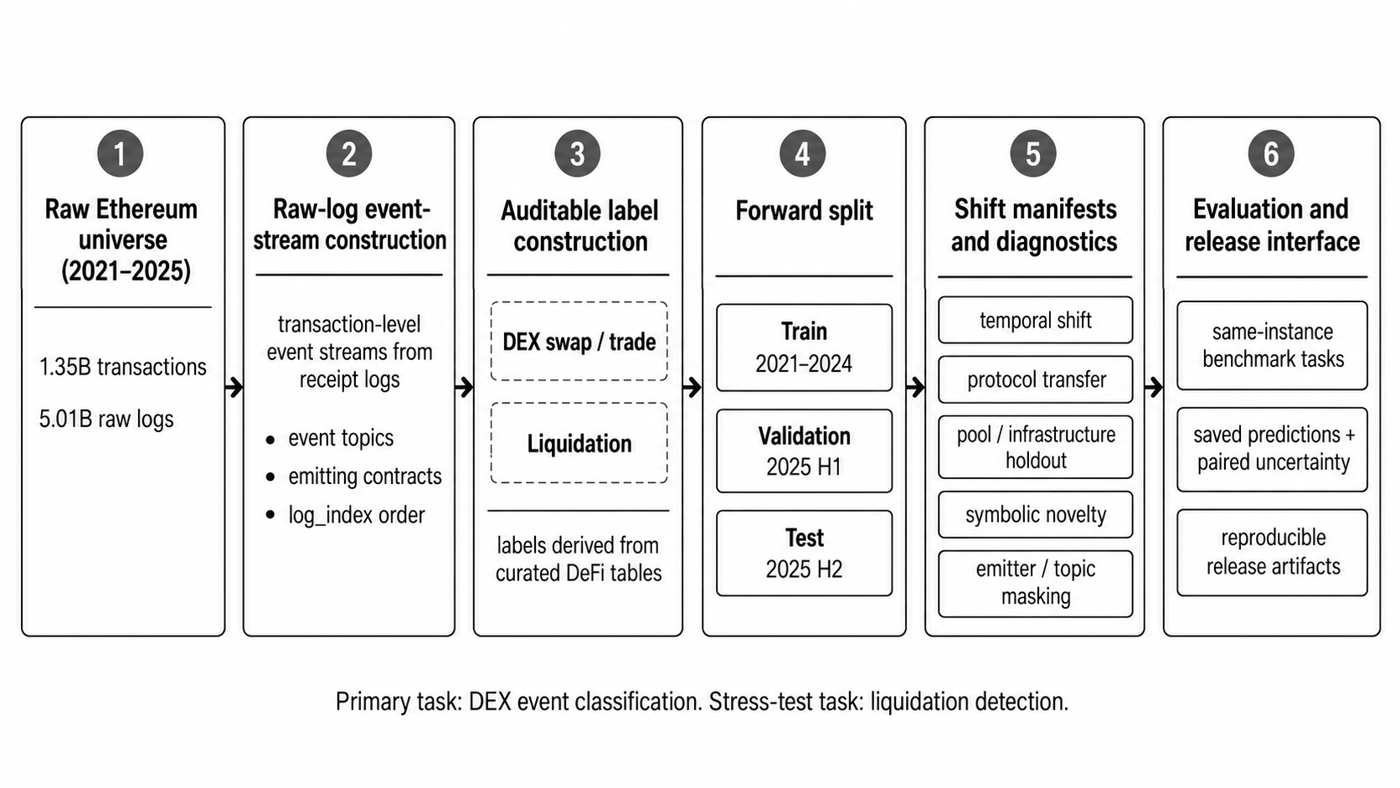
ETH-TraceBench: Ethereum DeFi Benchmark: Introduces a large-scale benchmark on 1.35 billion Ethereum transactions to evaluate DeFi representations under temporal, protocol, and contract drift, revealing model degradation on unseen pools. (2026-09-22, fanfare: 3)
FinInteract Benchmark for Ambiguous Financial QA: A benchmark reveals that language models answer financial questions above 90 percent with clarification but only 28.9 percent when they must elicit it themselves, exposing model ambiguity resolution. (2026-09-22, fanfare: 3)
Stochastic Nested Fixed Point BLP Estimation: A stochastic nested fixed-point estimator reduces memory and computational cost for random-coefficients logit demand models, enabling estimation on 100 million markets in hours. (2026-09-22, fanfare: 3)
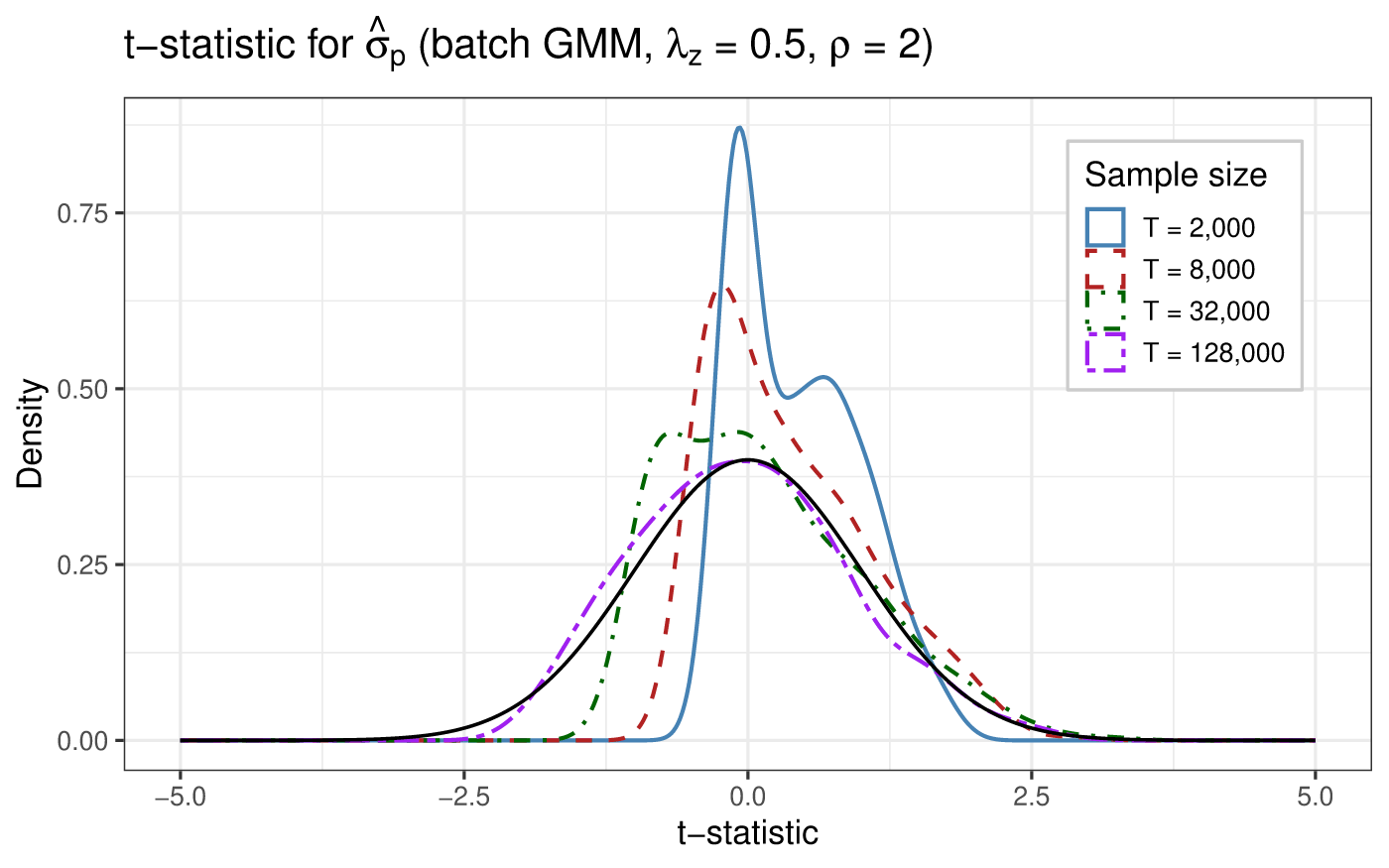
Rough HAR Model for Realized Variance: Augmenting HAR with a negative moving-average component approximates rough dynamics, outperforming classical models out-of-sample and matching continuous-time rough model accuracy. (2026-09-21, fanfare: 3)
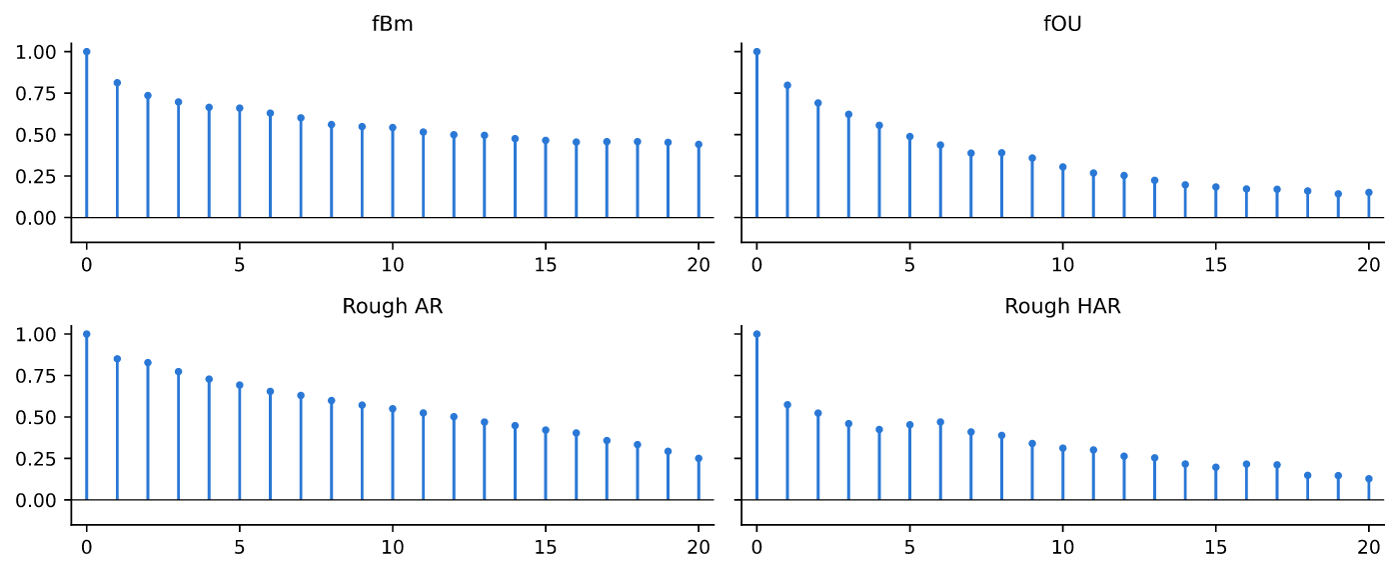
Optimal Liquidity Provision and Rebate Design: Develops a nested optimization model for market making and rebate design in option markets, showing how exchanges can set fees to incentivize liquidity provision and improve market depth. (2026-09-23, fanfare: 2)
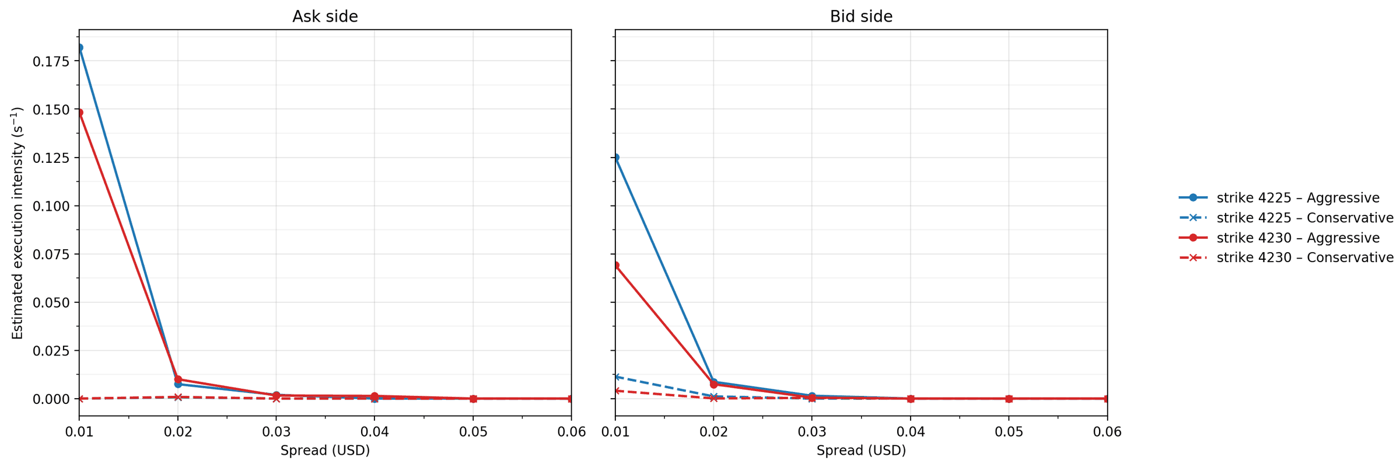
Surface-Driven Stochastic Volatility for Commodities: Develops a surface-driven stochastic volatility framework for commodity options using daily volatility surface factors, recovering vol-of-vol and leverage parameters from smile dynamics. (2026-09-24, fanfare: 2)
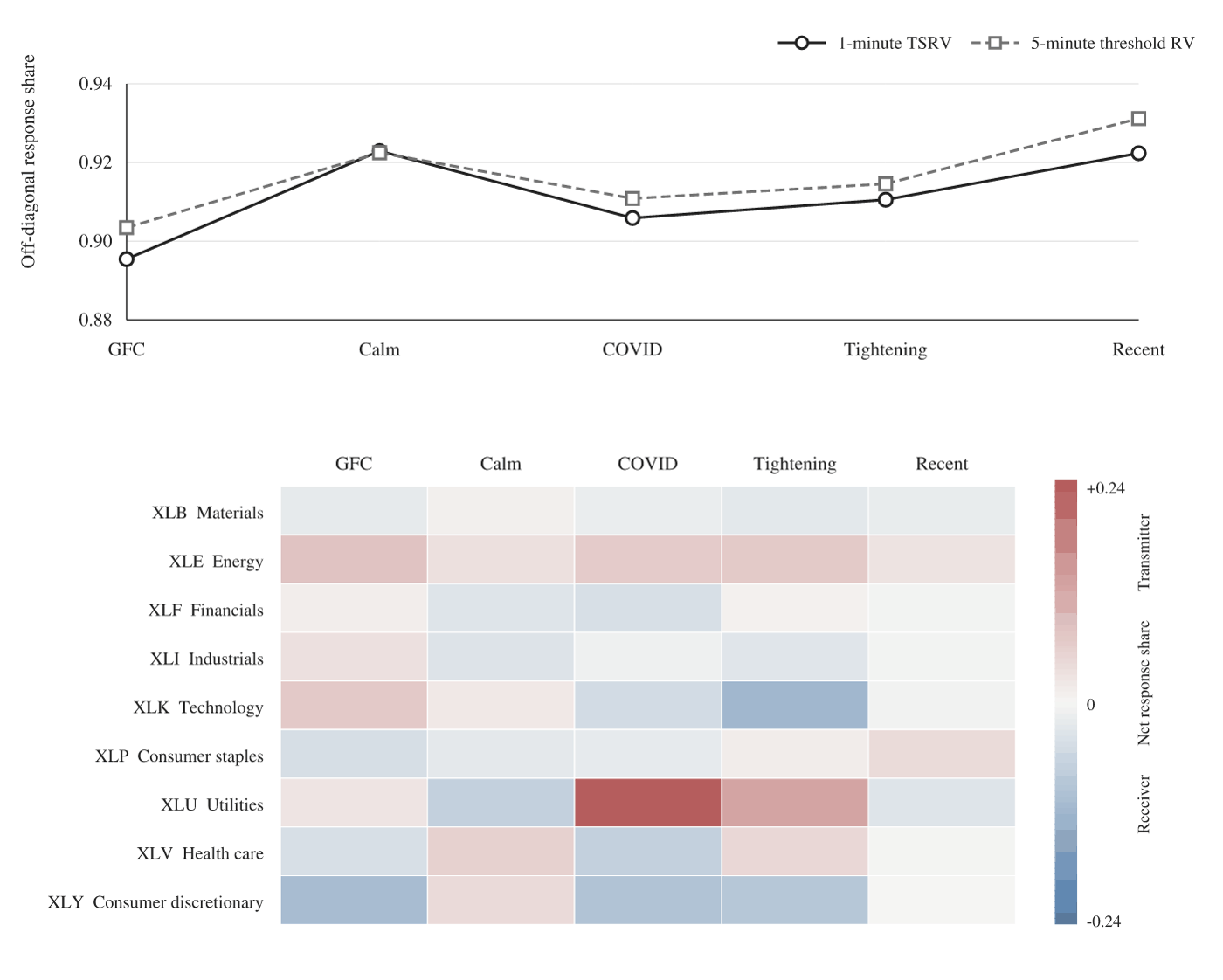
Network Realized GARCH-Itô Models: Introduces a network realized GARCH-Itô model that identifies dynamic volatility transmission among assets using high-frequency data, outperforming recursive forecasts on sector ETFs. (2026-09-25, fanfare: 2)
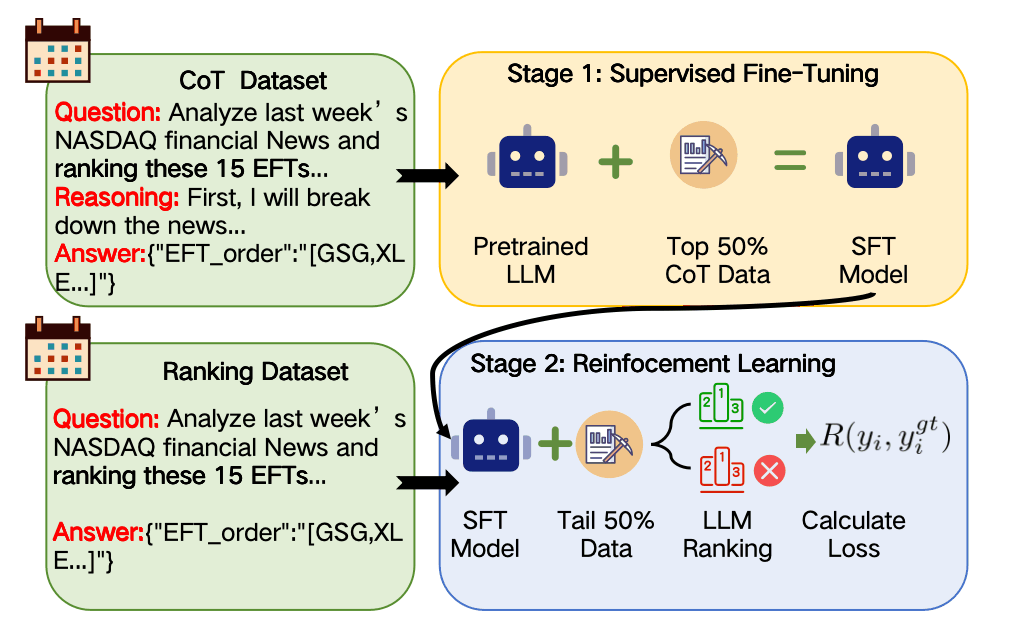
FinRankGRPO: LLM Portfolio Ranking: Develops a two-stage framework that fine-tunes language models for listwise asset ranking using Spearman rank correlation rewards, achieving a Sharpe ratio of 0.636 on asset allocation. (2026-09-22, fanfare: 2)
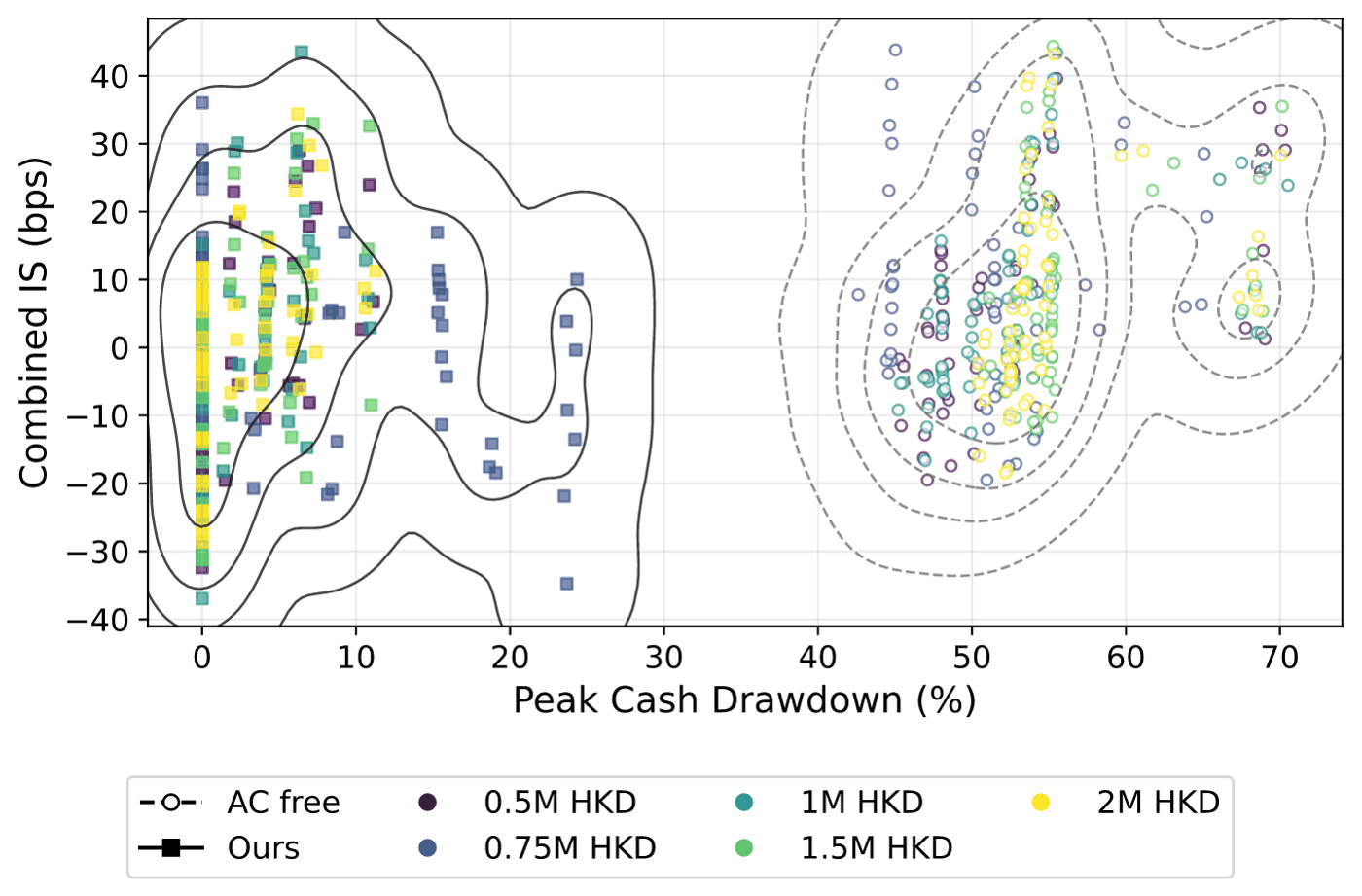
Optimal Execution Under Cash Constraints: Extends the Almgren-Chriss optimal execution framework to enforce intertemporal cash constraints, reducing peak cash drawdown while maintaining implementation shortfall in multi-asset rebalancing. (2026-09-24, fanfare: 2)
Machine Learning Detects Black-Scholes Deviations: Tree-based machine learning outperforms neural networks at detecting systematic option-pricing deviations from Black-Scholes using 2.6 million real contracts, with domain-expert features crucial. (2026-09-24, fanfare: 2)
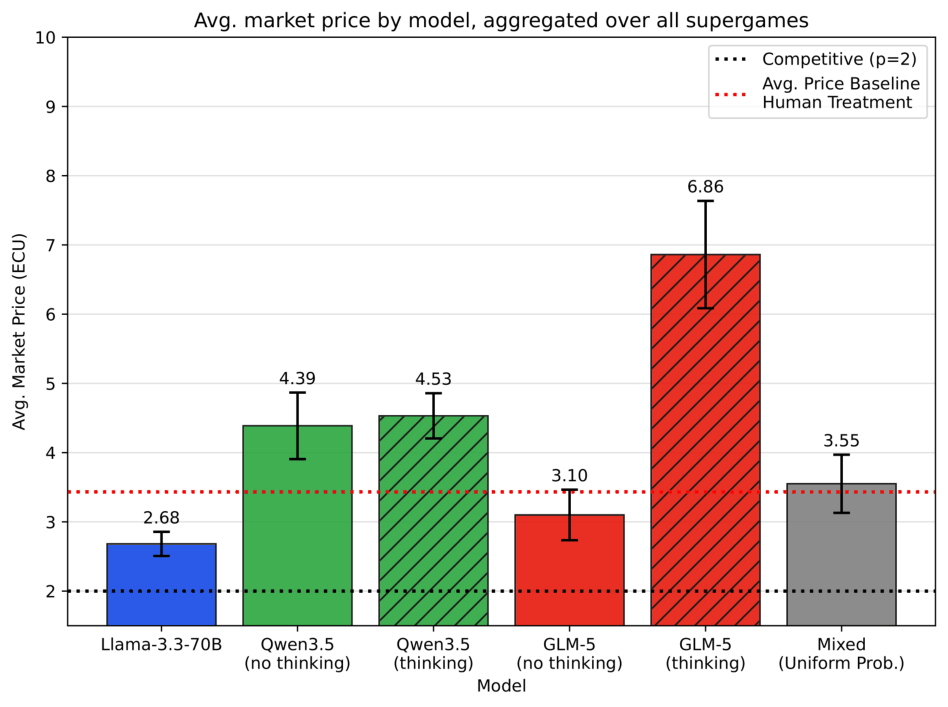
Rule-Based Pricing Algorithms in Digital Markets: Experiments show that algorithm design features like warnings, pre-configured strategies, and LLM advice raise market prices by increasing starting prices and fostering cooperative algorithm designs. (2026-09-24, fanfare: 2)
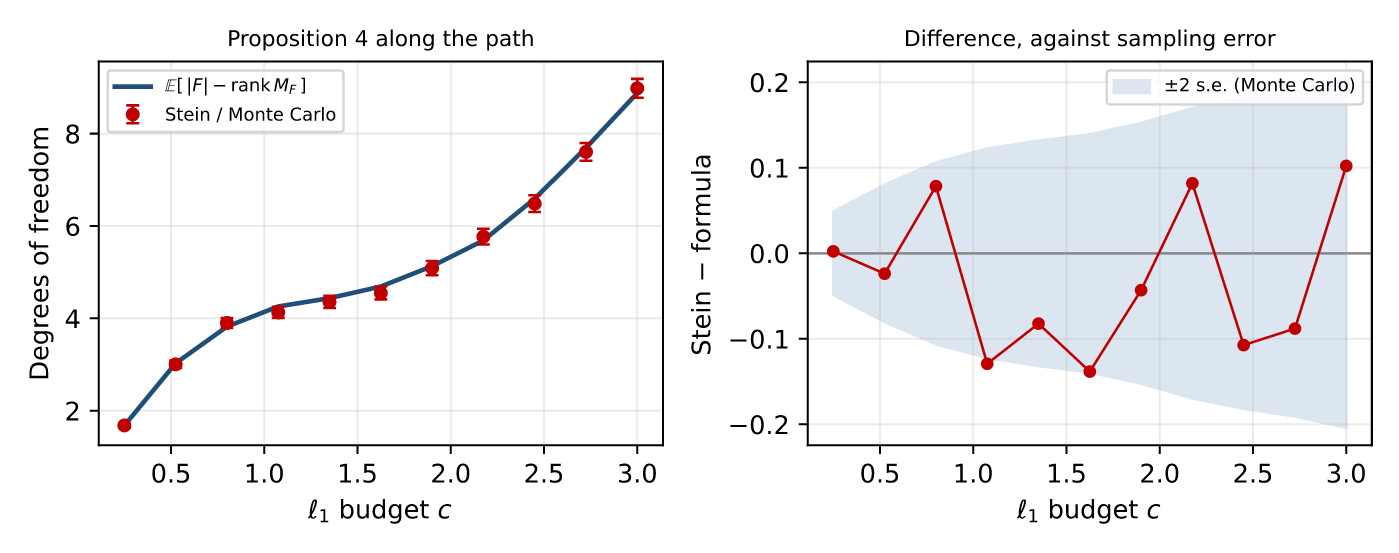
Critical Line Algorithm and Constrained LASSO: Shows that mean-variance portfolio selection and the constrained LASSO trace identical piecewise-linear solution paths, mapping their parametrizations exactly. (2026-09-23, fanfare: 2)
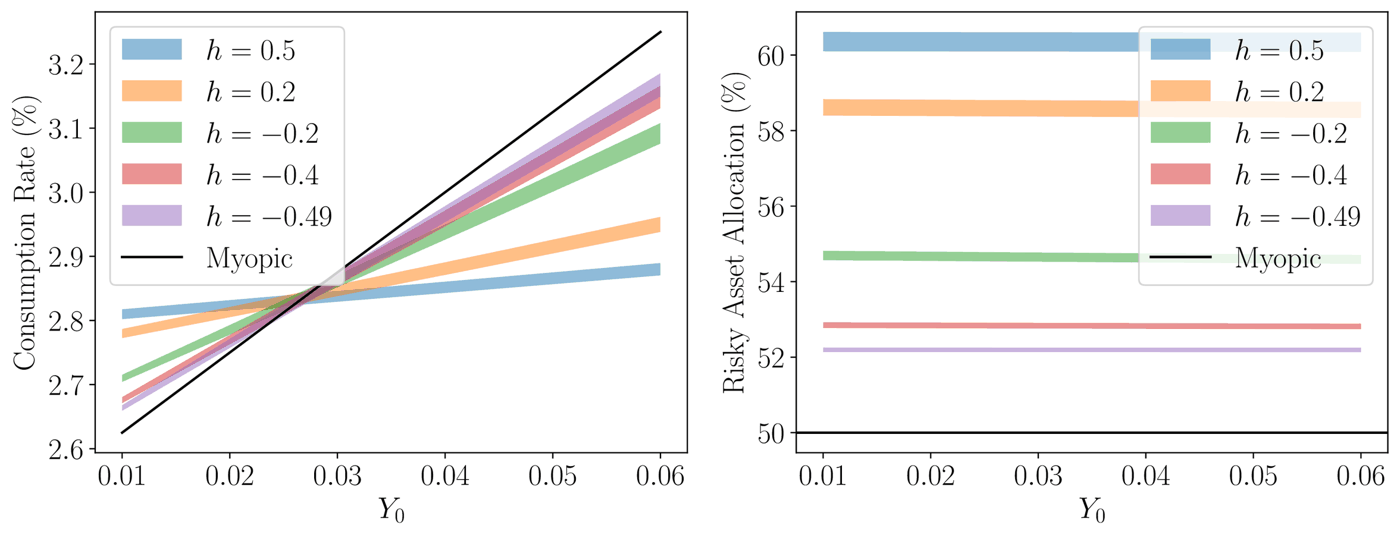
Optimal Investment under Integrated Variance Clocks: Characterizes optimal consumption and investment strategies in markets with stochastic volatility clocks using infinite-horizon backward SDEs, extending to rough and hyper-rough regimes. (2026-09-23, fanfare: 2)
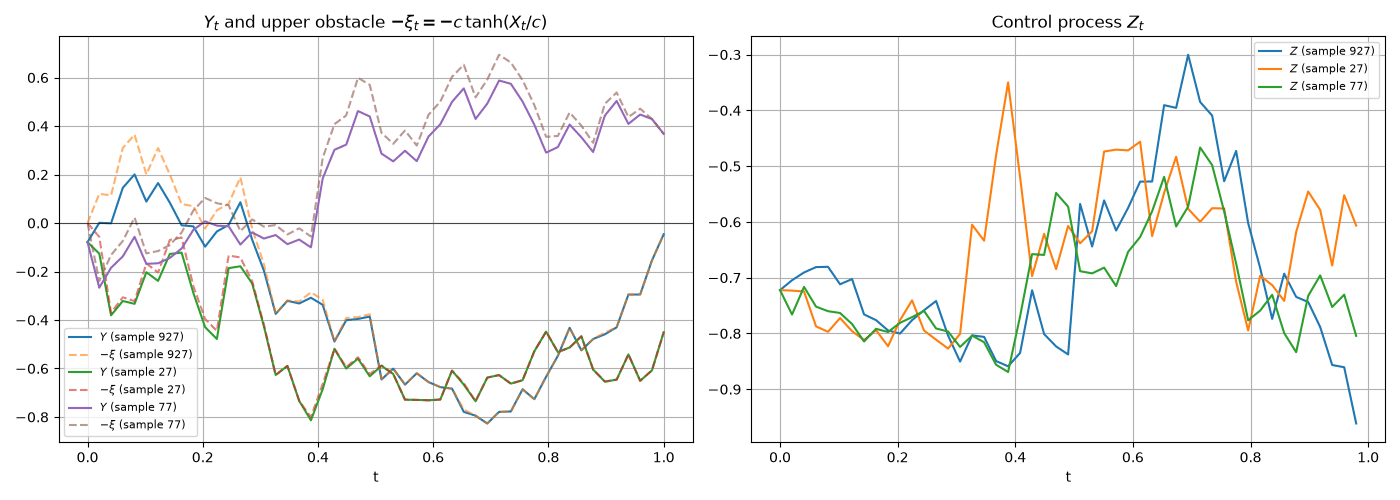
Deep Learning Reflected BSDE under Paired Ambiguity: Develops a deep learning scheme for optimal stopping under simultaneous model and discount-rate ambiguity, with application to American option valuation under uncertainty. (2026-09-22, fanfare: 2)
SSRN
Artificial Intelligence and Financial Markets: A survey examines how AI transforms information production, intermediation, and market structure, with implications for efficiency, competition and financial stability. (2026-09-24, fanfare: 4)
Label Engineering for Stock Selection: Reshaping the prediction target through location, scale and shape transformations raises long-short Sharpe from 0.68 to 1.69, with label choice mattering more than model choice. (2026-09-22, fanfare: 4)
Reinforcement Learning Agents Enable Collusion: Q-learning pricing agents in simulated duopolies reach supracompetitive outcomes with no communication, achieving collusion indices of 0.778 and 40% profit gains over competitive benchmarks. (2026-09-24, fanfare: 4)
Defence Sector Repricing Before Ukraine: European defence stocks repriced sharply starting November 2021, two to three months before Russia’s invasion, delivering 26% alpha and reflecting release of ESG-exclusion constraints. (2026-09-19, fanfare: 4)
Forward Guidance and Bank Credit Supply: High-frequency analysis reveals contractionary forward guidance immediately cuts bank lending, while expansionary guidance produces weak stimulus, driven by binding capital constraints. (2026-09-23, fanfare: 3)
LLM Stock Rankings and Look-Ahead Bias: Testing whether a large language model ranks stocks by forecasting or memory, the study finds a significant information-coefficient gap of 0.185 inside versus outside its training window, suggesting substantial look-ahead contamination. (2026-09-22, fanfare: 3)
Training-Data Leakage in LLM Stock Signals: The study measures recall versus forecasting in an LLM’s stock rankings by comparing cross-sectional information coefficients inside and outside the training window. (2026-09-21, fanfare: 3)
Zero Fees Drive Fake Volume in Crypto Futures: Analysis of Kalshi’s regulated Bitcoin and Ethereum futures reveals that 39-48% of notional trades are mechanical fixed-size orders that vanish when fees are charged, indicating costless artificial volume rather than legitimate trading. (2026-09-23, fanfare: 3)
FOMC Semantic Novelty and Financial Stress: Semantic surprises extracted from Federal Reserve statements predict subsequent financial-stress dynamics and reduce forecast error by up to 23%, particularly when initial stress is high or during recessions. (2026-09-24, fanfare: 3)
LASSO Benchmarks Reveal Mutual Fund Alpha: Using factor selection, the study finds mean active alpha of plus 9 basis points monthly for mutual funds, reversing the no-alpha conclusion when benchmarks are tailored to each fund. (2026-09-23, fanfare: 3)
Margin Debt Growth and Factor Momentum: Factor momentum strategies earn 49 basis points per month extra return following quarters of rapid margin-debt growth, a predictability that persists after publication and reflects limits to arbitrage correction. (2026-09-23, fanfare: 3)
LLM Factor Search with Transaction Cost Penalties: The paper builds a closed-loop system where an LLM proposes equity factors penalized for execution costs and shows that accounting for trading costs dramatically improves net performance. (2026-09-21, fanfare: 3)
Training Option Models on Prices not Volatility: The paper compares machine learning option pricing trained on pricing errors versus implied-volatility errors using 8.67 million S&P 500 index-option observations from 1997 through 2025. (2026-09-22, fanfare: 3)
Securitization Amplifies Rate Transmission: Banks engaged in securitization contract lending more sharply after monetary tightening because their investor base demands higher returns and cuts risk exposure when rates rise. (2026-09-24, fanfare: 3)
Hedge Fund Leverage Amplifies Bond Volatility: Leveraged hedge fund positions amplify sovereign bond yield sensitivity to monetary shocks by over a quarter through directional rebalancing, with effects scaling to position intensity. (2026-09-23, fanfare: 3)
Price Delay and Momentum Profits: Momentum profits concentrate among firms with high price delay, a measure of information friction, directly supporting theories that gradual information incorporation drives momentum. (2026-09-24, fanfare: 3)
Industry Networks Predict Market Returns: Using production, employment, and sales data across 426 industries, the research shows that upstream industry signals predict aggregate monthly stock returns with 23.8% out-of-sample R-squared. (2026-09-19, fanfare: 3)
Expectations Drive Term Structure Sensitivity: Decomposing yield sensitivity without assuming rational expectations reveals that expectations rather than risk premia drive short- and medium-term bond yields, with systematic inconsistencies across horizons. (2026-09-21, fanfare: 3)
Hedge Fund Returns and Interest Rate Risk: Using SEC filings from 2013-2021, the paper finds hedge fund returns show heterogeneous sensitivity to interest rates, with effects varying by strategy, leverage, and derivative exposure. (2026-09-20, fanfare: 3)
Settlement Risk Prices Currency Excess Returns: Hungary’s 2015 adoption of payment-versus-payment settlement reduced currency excess returns by ten basis points, demonstrating settlement risk is a priced friction limiting arbitrage. (2026-09-24, fanfare: 3)
Tail Risk Forecasting with Cubic Distributions: A cubic quantile framework forecasts Value-at-Risk and Expected Shortfall more reliably than GARCH benchmarks across eight equity indices without requiring a parametric density. (2026-09-24, fanfare: 3)
Physics-Constrained Neural Operators for Option Pricing: A deep operator network maps volatility surfaces to option prices under the Heston model 15,000 times faster than finite-difference methods while reducing dynamic hedging variance by over 59% under transaction costs. (2026-09-21, fanfare: 2)
Systemic Risk in Global Banking Networks: Combining quantile-connectedness, tail-risk measures, and network analysis, the research shows tail connectedness exceeds median levels and lower-tail effects persist longer, with the VIX alone reliably predicting next-week systemic risk. (2026-09-20, fanfare: 2)
Negative Rates Cut Bank Lending via Asset Returns: Japan’s 2016 negative-rate policy reduced lending from low-profitability banks holding reserves, consistent with lower expected returns on bank assets rather than deposit-side stress. (2026-09-19, fanfare: 2)
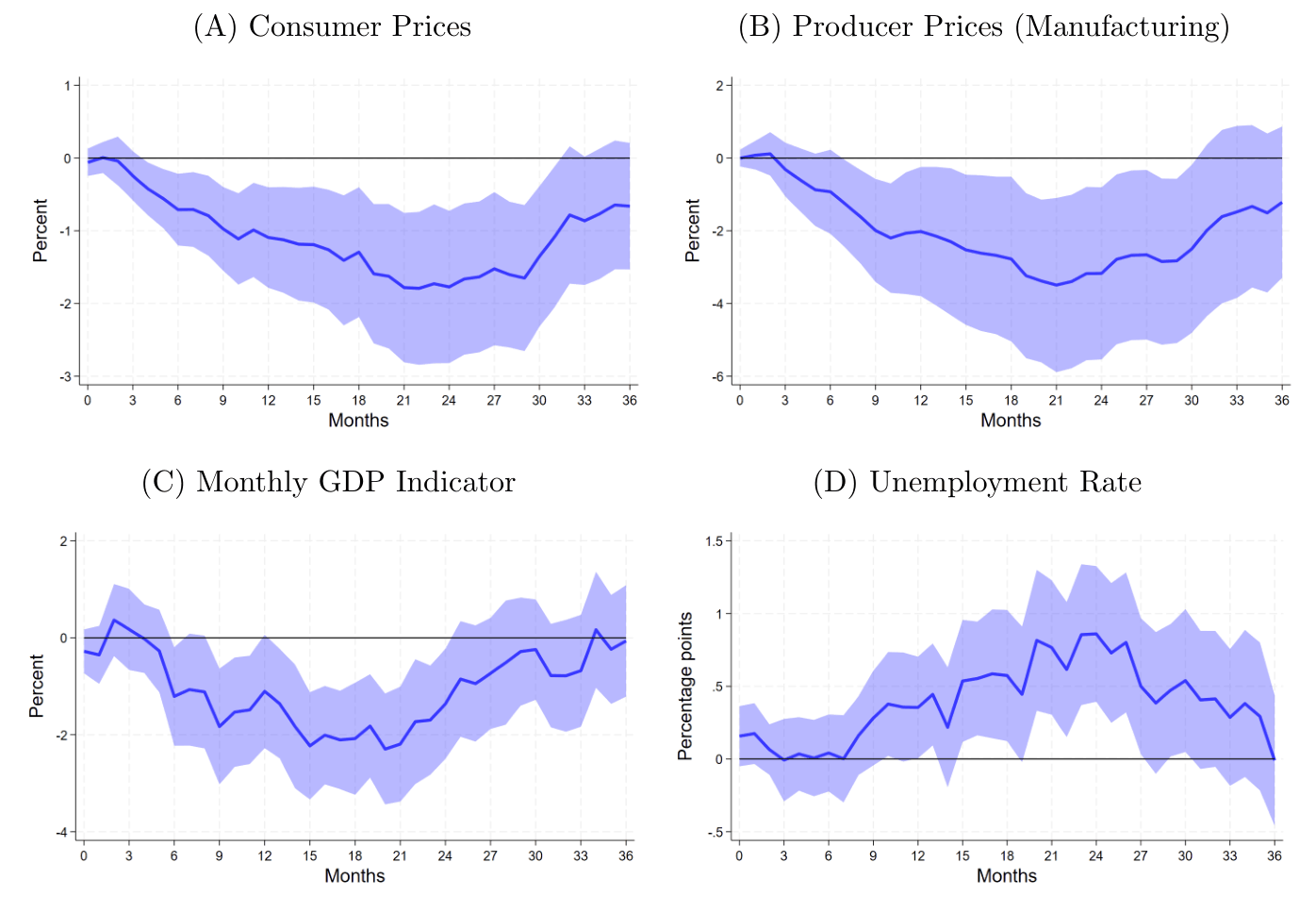
Banking Structure and Euro-Area Monetary Transmission: A 100-basis-point contractionary monetary shock lowers inflation and sales across 20 euro-area economies, with transmission strength varying by bank asset-risk exposure and assets-to-GDP ratio rather than a simple weak-strong taxonomy. (2026-09-24, fanfare: 2)
Fed Communication Divergence and High-Frequency Trading: Semantic and tonal shifts across sequential Federal Reserve communications generate significant intraday price movements and abnormal volume, revealing incomplete information absorption at initial announcement. (2026-09-19, fanfare: 2)
Negative Rates and Firm Valuations: Comparing firms across the ECB’s 2014 negative rate adoption shows treated European firms had higher valuations but reduced leverage, suggesting cash-flow and discount-rate channels dominate tax-shield effects. (2026-09-23, fanfare: 2)
Signature-Based Structural Credit Models: The study develops a time-varying signature asset model for structural credit that improves calibration across CDS maturities and equity option prices, especially for high-yield firms. (2026-09-22, fanfare: 2)
Minimax Portfolio Optimization Under Tail Risk: The research proposes a data-driven portfolio method that blends tail-risk models and projects onto valid mixtures, providing bounds on Expected Shortfall regret without Wasserstein assumptions. (2026-09-21, fanfare: 2)
Distressed Debt Exchanges and Creditor Trilemma: Analysis of 284 distressed exchanges from 2009-2022 reveals over 50% of firms face subsequent default, with large illiquid creditors trapped in a prisoner’s dilemma explaining high acceptance rates. (2026-09-22, fanfare: 3)
RePEc
Agentic AI Systems Beat Asset Pricing Benchmarks: Optimized AI systems analyzing earnings call transcripts double explained variation in stock returns versus standard benchmarks while improving interpretability through human-readable decision rules. (2026-09-17, fanfare: 4)
Stablecoins and the Mundell-Fleming Trilemma: Wallet-level stablecoin data shows crisis countries experience inflows during banking restrictions; this endogenizes capital mobility and tightens monetary policy constraints. (2026-09-14, fanfare: 4)
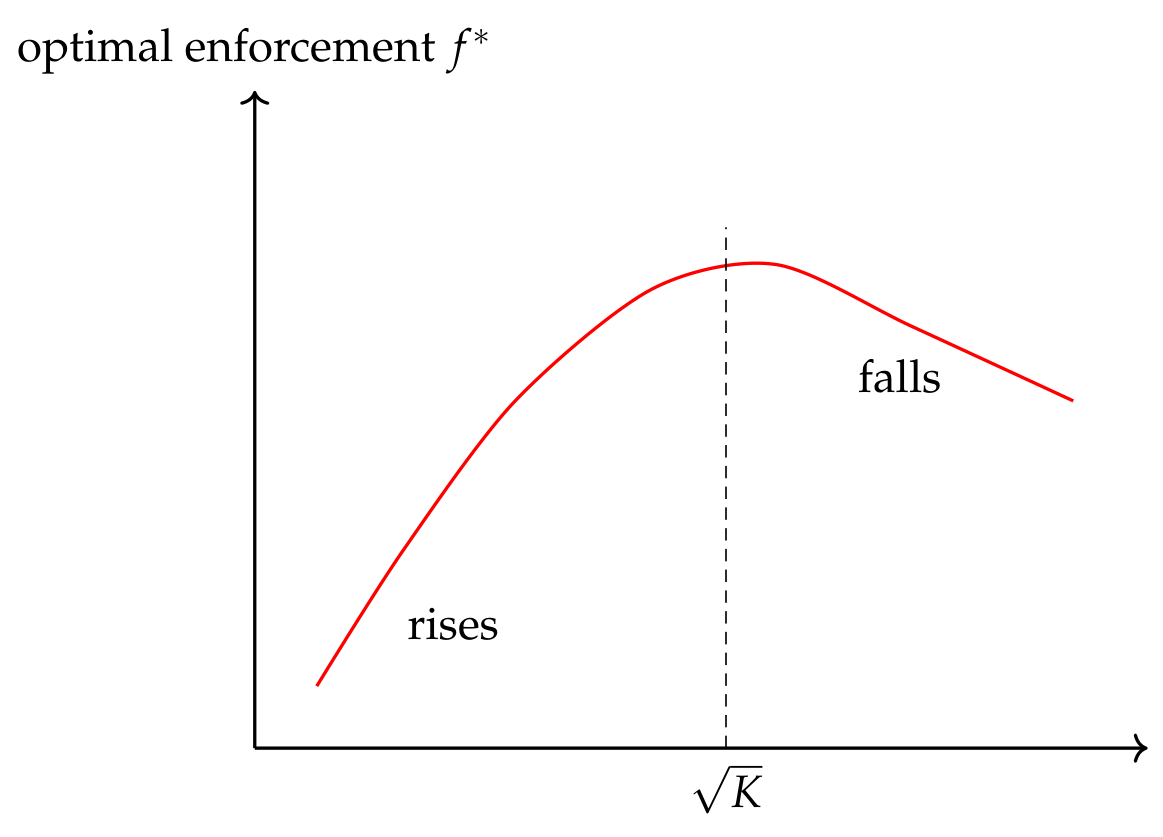
Skewness Risk in Currency Markets: Using model-free skewness measures from currency options, the study shows that skewness risk is priced in currency returns and explains variation across a broad cross-section of currency portfolios. (2026-09-17, fanfare: 3)
Global Credit Cycle Factor Pricing: A nonlinear factor constructed from credit spreads and equity volatility prices global corporate bond returns, explaining up to 13% of three-month-ahead return variation across markets. (2026-09-16, fanfare: 3)
Asset Embeddings from Portfolio Holdings: The paper shows that portfolio holdings contain all information needed for asset pricing and develops asset embeddings analogous to word embeddings to represent firms and predict valuations. (2026-09-18, fanfare: 3)
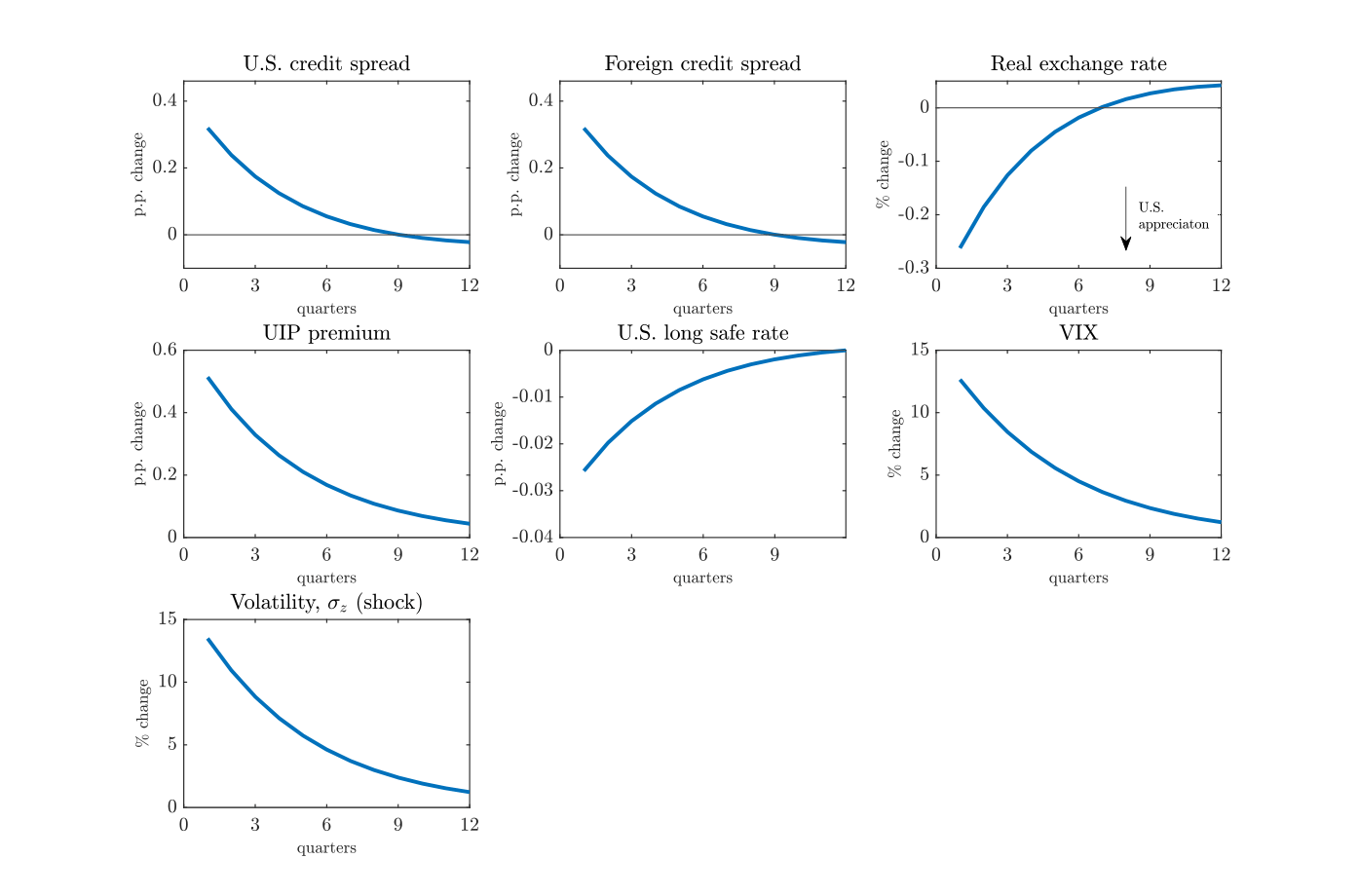
Intermediary Constraints and Global Risk Pricing: A two-country model shows that uncertainty shocks tighten intermediary constraints, widening credit spreads, appreciating the dollar, and raising currency risk premia globally. (2026-09-14, fanfare: 3)
Carry Trade Returns and Crash Risk: Focusing on dollar-lira trading, the paper shows that higher crash risk significantly increases carry trade expected returns, accounting for 46–77% of compensation through Shapley decomposition. (2026-09-17, fanfare: 3)
Predicting Market Stress with Random Forests: Tree-based machine learning models predict the full distribution of financial market stress 27% better than traditional time-series methods, with macro uncertainty and monetary policy expectations as key drivers. (2026-09-17, fanfare: 3)
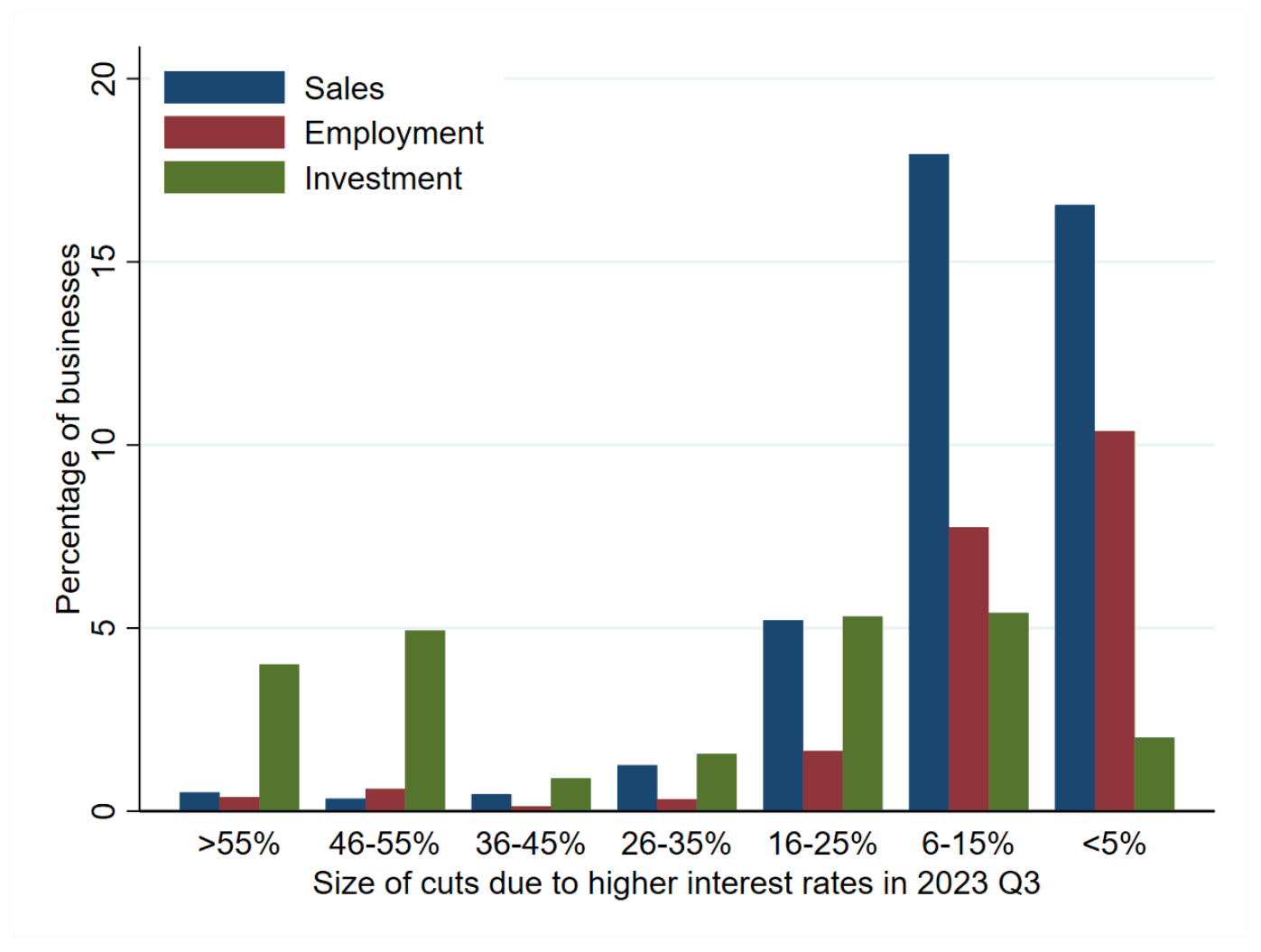
Credit Channel of Monetary Policy in Practice: UK firm survey data validates that external borrowers face larger cost-of-capital increases and cut investment more than internal funders when rates rise, accounting for a quarter of monetary policy’s total effect. (2026-09-14, fanfare: 3)
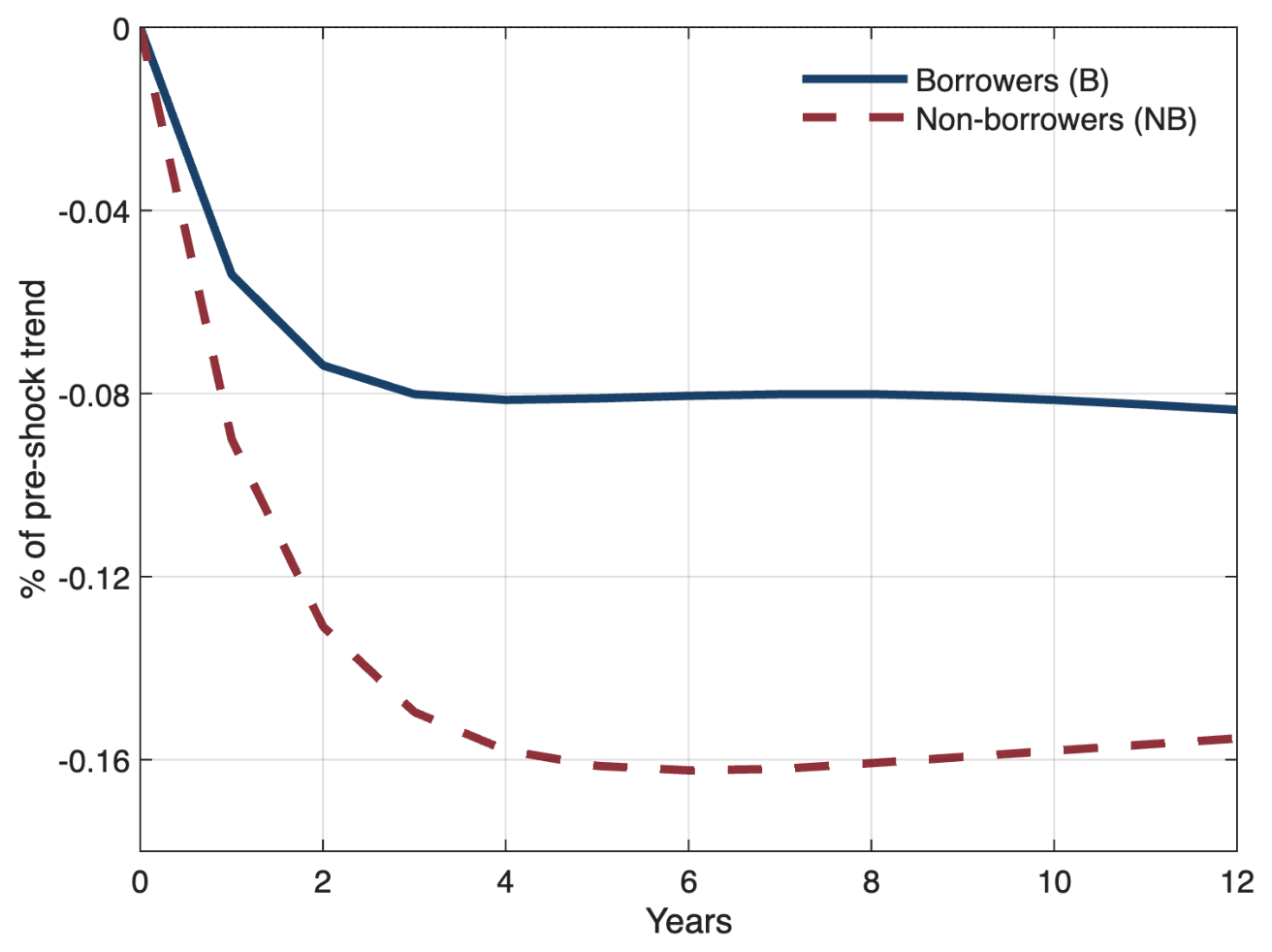
Monetary Policy Shocks Impair Innovation Financing: Monetary tightening reduces R&D more sharply among firms lacking cash-flow-based borrowing, generating persistent 0.12% output loss that younger, high-patent firms bear disproportionately. (2026-09-21, fanfare: 3)
AI Architecture and Financial Stability: Q-learning and large language model investors generate systematically different behaviors in fund redemption settings, with Q-learning showing excessive coordination and amplified fragility under default risk. (2026-09-17, fanfare: 3)
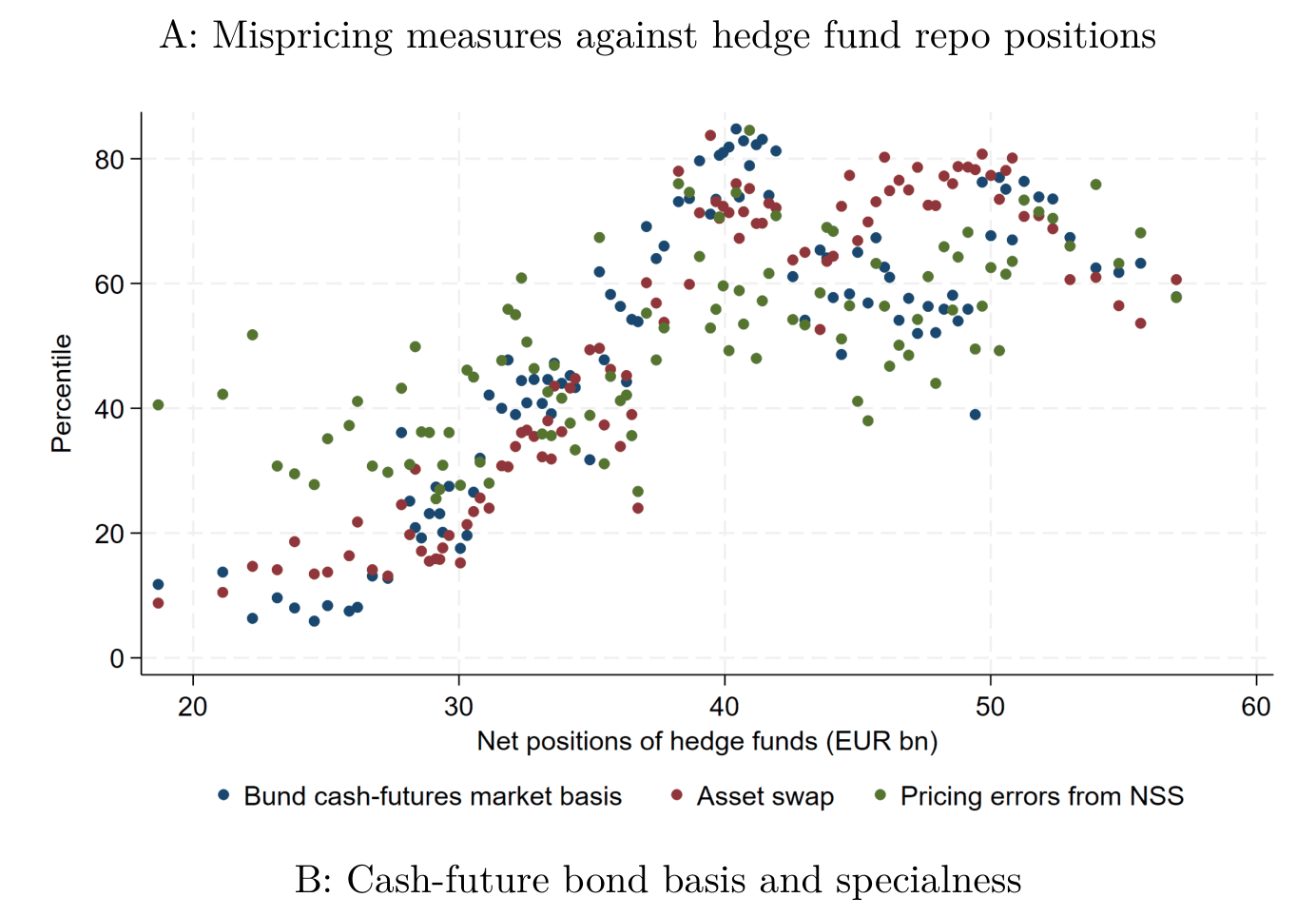
Hedge Fund Demand Inelasticity in Repo: Using German sovereign bond repo data, the research shows hedge funds are price-elastic in cash markets but highly inelastic in repo, inheriting elasticity from their cash-market counterparties. (2026-09-17, fanfare: 3)
Household Portfolios and Monetary Transmission: Corporate leverage affects how monetary tightening transmits to the real economy: equity holders lose wealth while safe-asset holders are cushioned, raising the sacrifice ratio. (2026-09-21, fanfare: 3)
Financial Constraints and Monetary Price Response: Swedish data reveals that financially constrained firms adjust prices less to monetary shocks, materially dampening aggregate inflation response to policy changes. (2026-09-14, fanfare: 3)
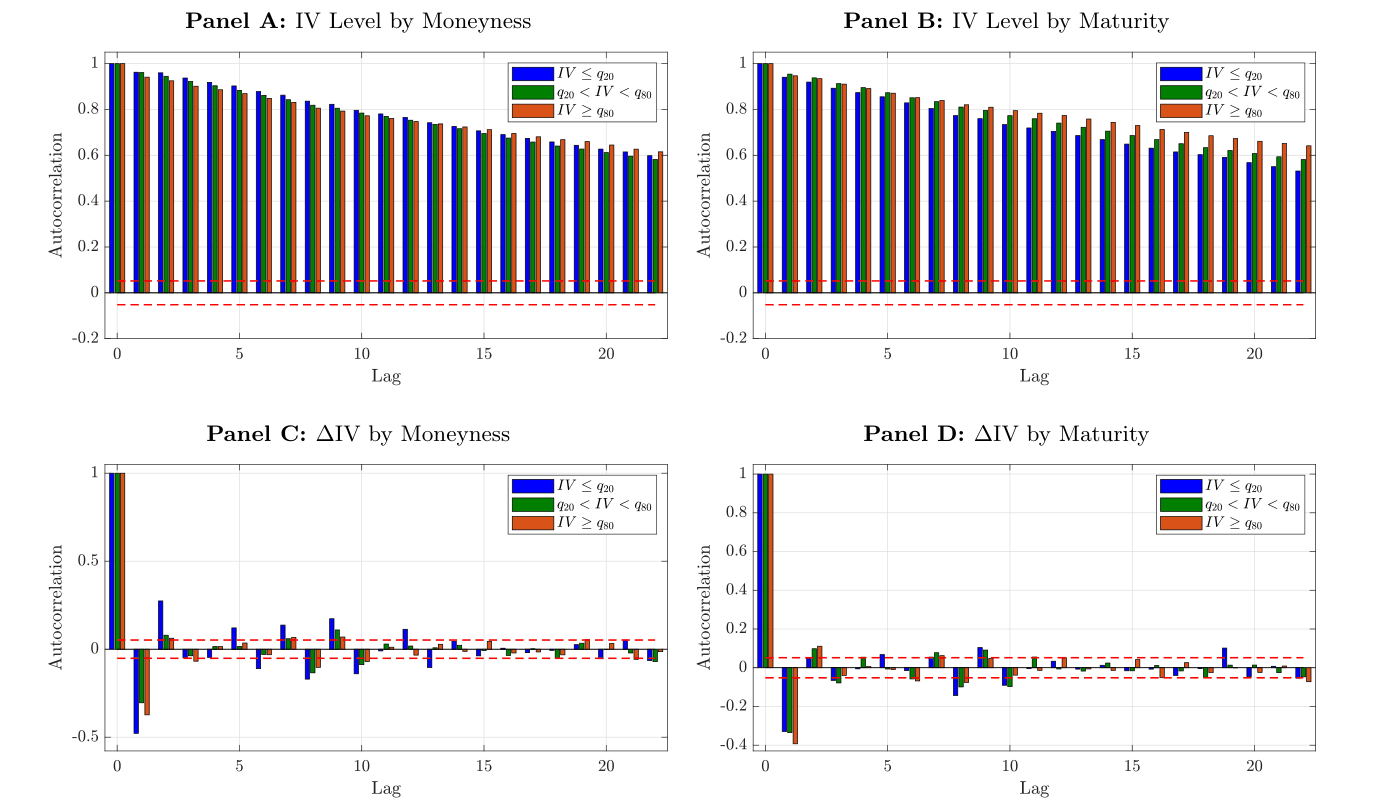
Machine Learning for Implied Volatility Forecasting: Tree-based models partition the option surface by moneyness and maturity to forecast volatility, reducing one-month-ahead errors by 13 percent versus benchmark models. (2026-09-17, fanfare: 3)
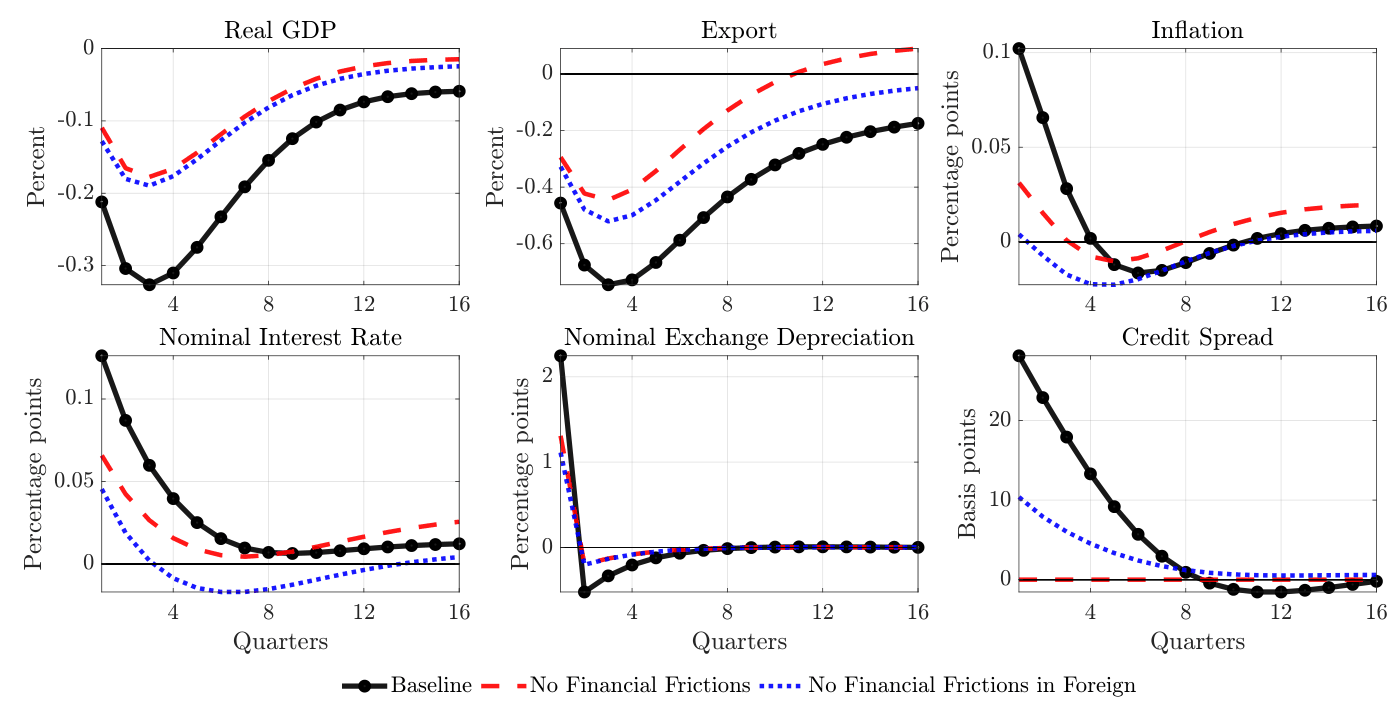
Capital Flows and Exchange Rates Policy: In response to US monetary tightening, financial channels dominate for small open economies: credit spreads widen and output falls despite currency depreciation. (2026-09-14, fanfare: 3)
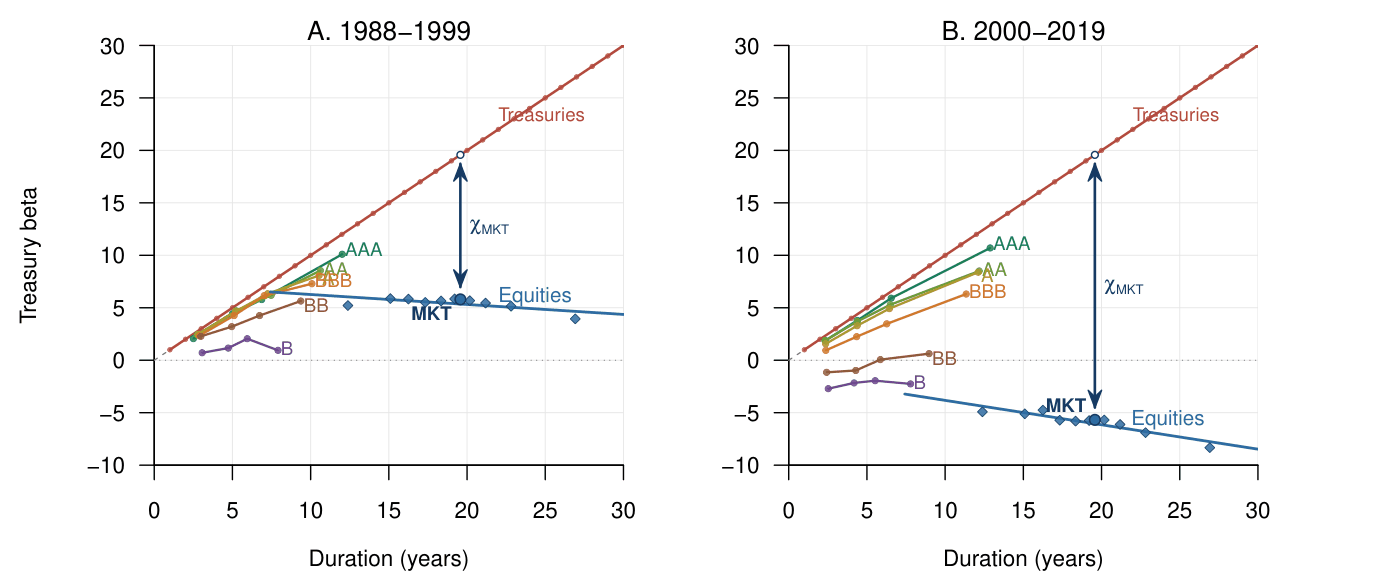
Rate Insurance in Equity and Bond Returns: Stock returns are dampened by rate insurance: falling rates cushion payoff risk in bad times while rising rates in good times hedge duration exposure. (2026-09-13, fanfare: 3)
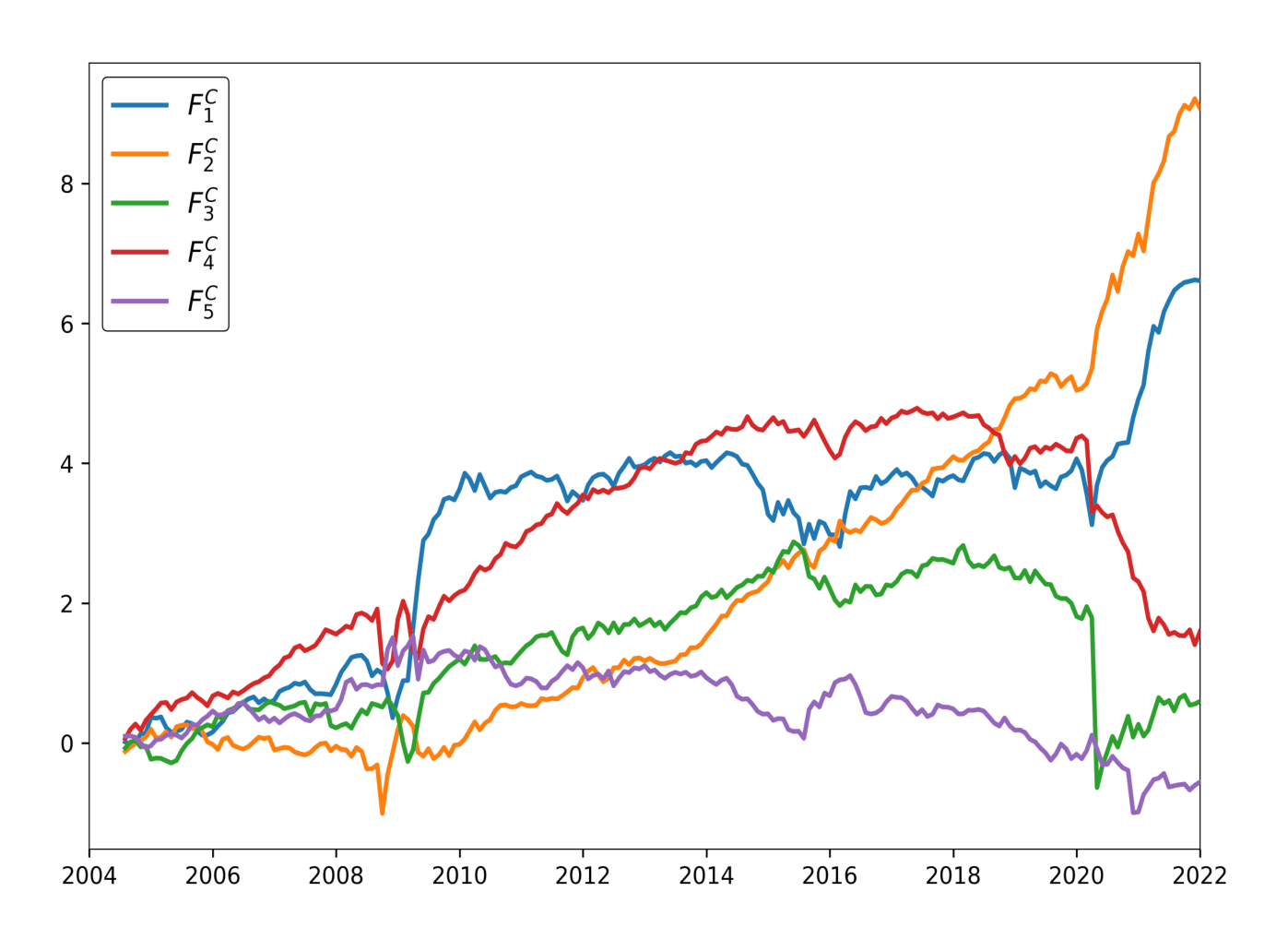
Common Factors Across Stocks, Bonds, Options: The research identifies common risk factors spanning stocks, corporate bonds, and options linked to economic indicators, revealing significant market segmentation and cross-asset hedging opportunities. (2026-09-13, fanfare: 2)
Credit Card Banking Economics and Profitability: Analysis of 550 million US credit card accounts shows that despite high charge-off rates, card lenders earn 1.5% alpha and 6.8% return on assets through pricing power and non-interest income. (2026-09-12, fanfare: 3)
Bank Runs History and Economic Consequences: A database of 3,984 historical US bank runs shows runs are more likely in weak banks but often occur in strong banks; failures concentrate in fundamentally weak institutions. (2026-09-14, fanfare: 3)
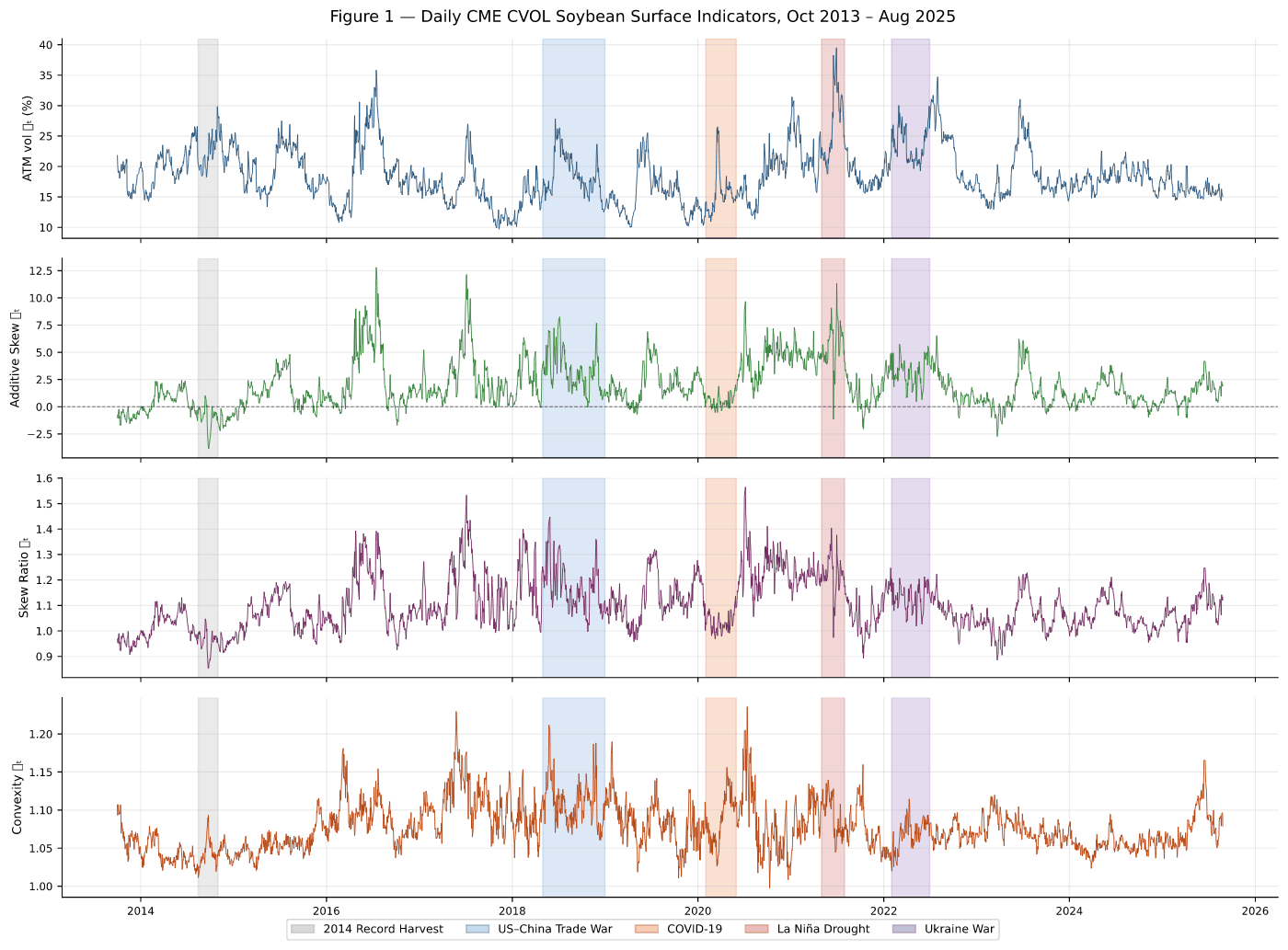
Algorithmic Trading in Agricultural Futures: The study finds that algorithmic trading lowers realized volatility but increases tail co-movement and asymmetry in China’s corn and soybean futures markets. (2026-09-25, fanfare: 2)
LASH Risk and Interest Rate Movements: The study measures liquidity risk from solvency hedging in sterling repo and swaps, finding that pre-crisis LASH risk predicted pension fund bond sales during the 2022 UK market stress. (2026-09-18, fanfare: 2)
High-Yield Corporate and Sovereign Bonds Converge: Analysis of 20 years of US junk bonds and emerging market sovereign debt reveals surprisingly similar average returns, Sharpe ratios, default frequencies, and haircuts across the two asset classes. (2026-09-18, fanfare: 2)
Economic News Drives Agricultural Volatility: Financial and macroeconomic news topics systematically predict implied volatility in corn and soybean markets, with program trading and 2008 crisis topics most robust at short horizons. (2026-09-23, fanfare: 2)
USDA Reports Anchor Commodity Price Expectations: Traders place 15% weight on USDA crop reports relative to private priors when forming price expectations, with this anchoring weight rising when private analyst disagreement increases. (2026-09-23, fanfare: 2)
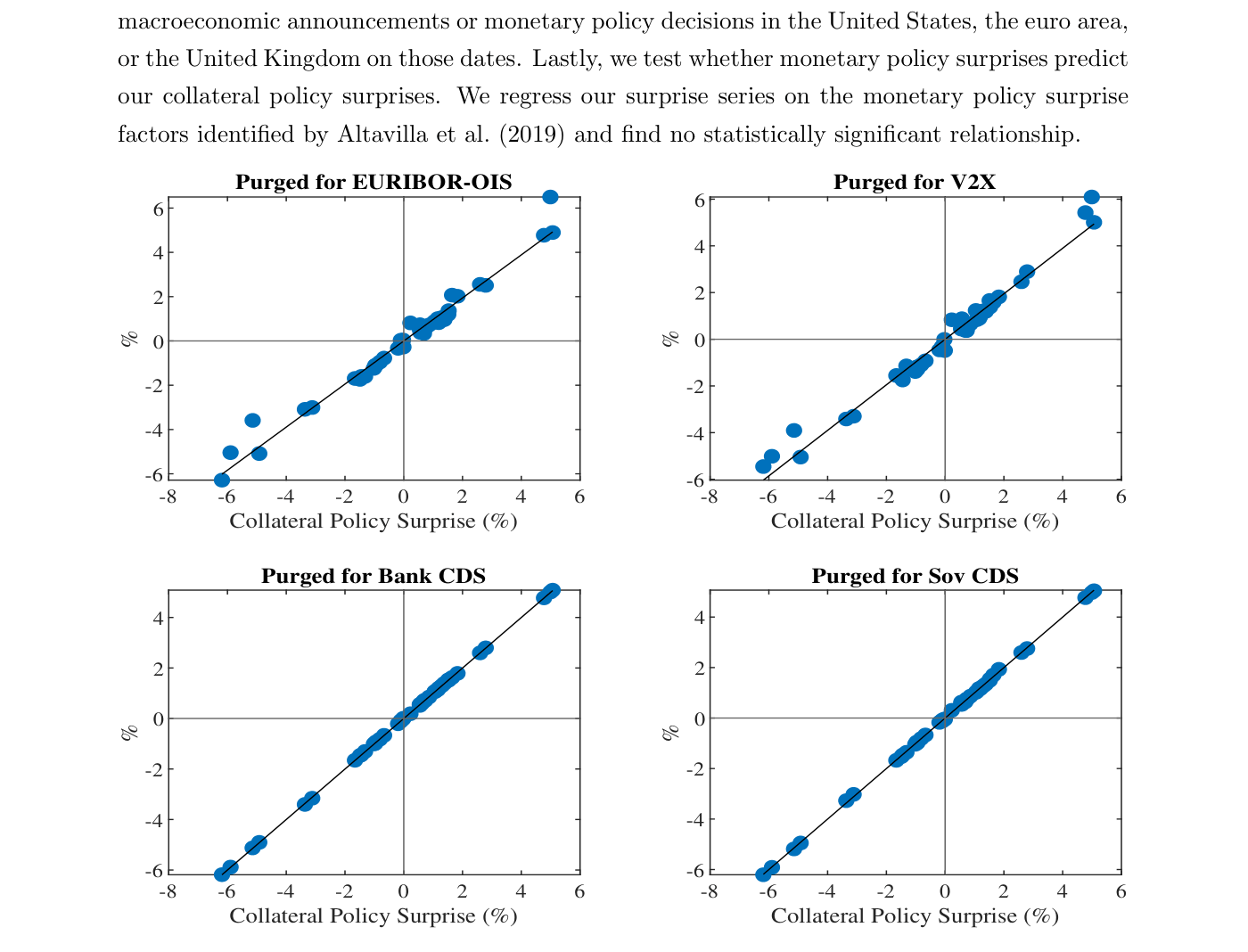
Collateral Policy Surprises Stabilize Banking: Expansionary central bank collateral policy surprises reduce bank default risk and volatility while compressing government bond spreads, transmitting effects distinctly from asset purchases. (2026-09-21, fanfare: 2)
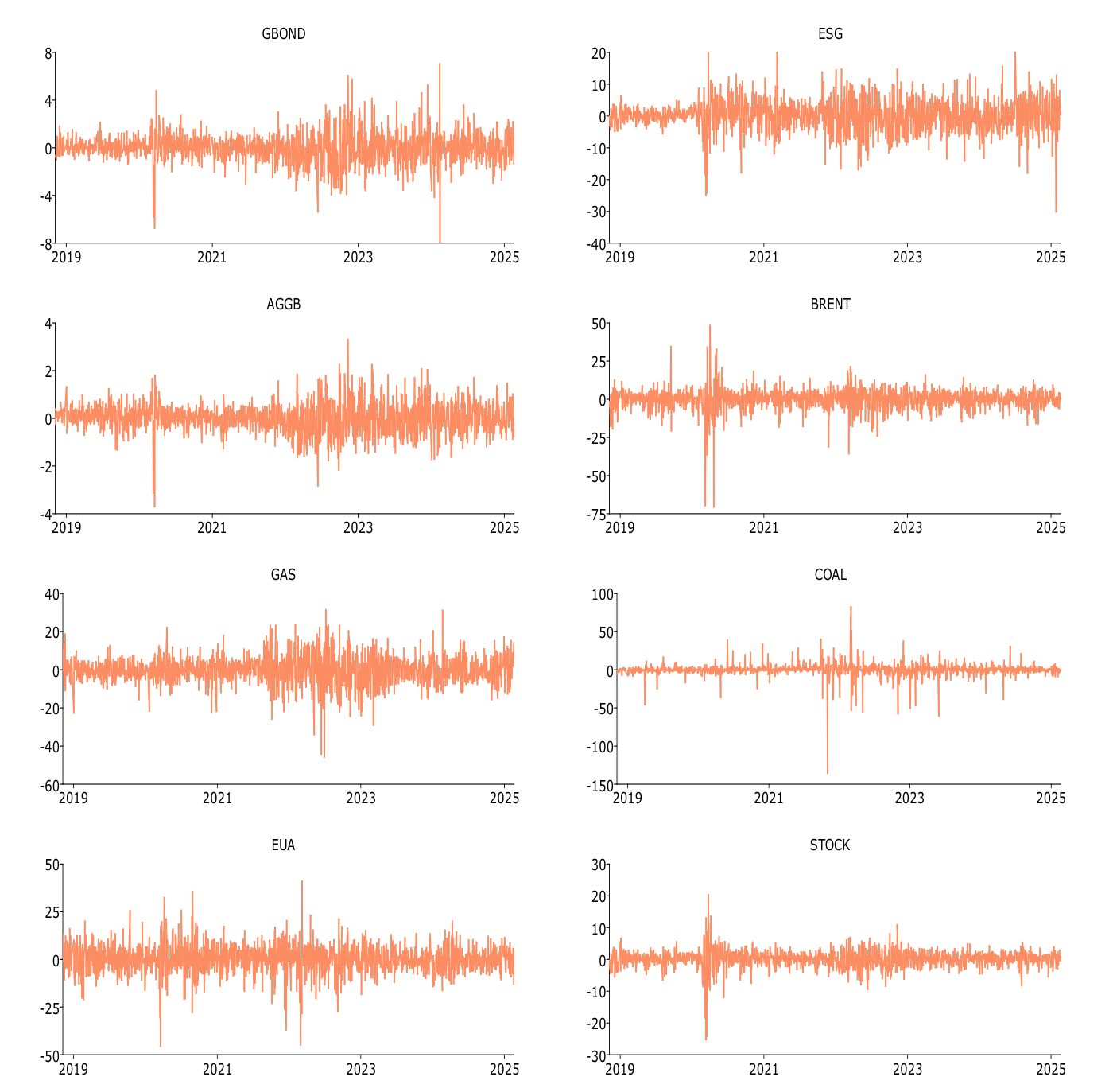
Adaptive LASSO-MGARCH Volatility Forecasting: Introducing coefficient-specific penalization into multivariate GARCH equations reduces complexity and improves out-of-sample covariance forecasts across bonds, equities, and commodities. (2026-09-16, fanfare: 2)
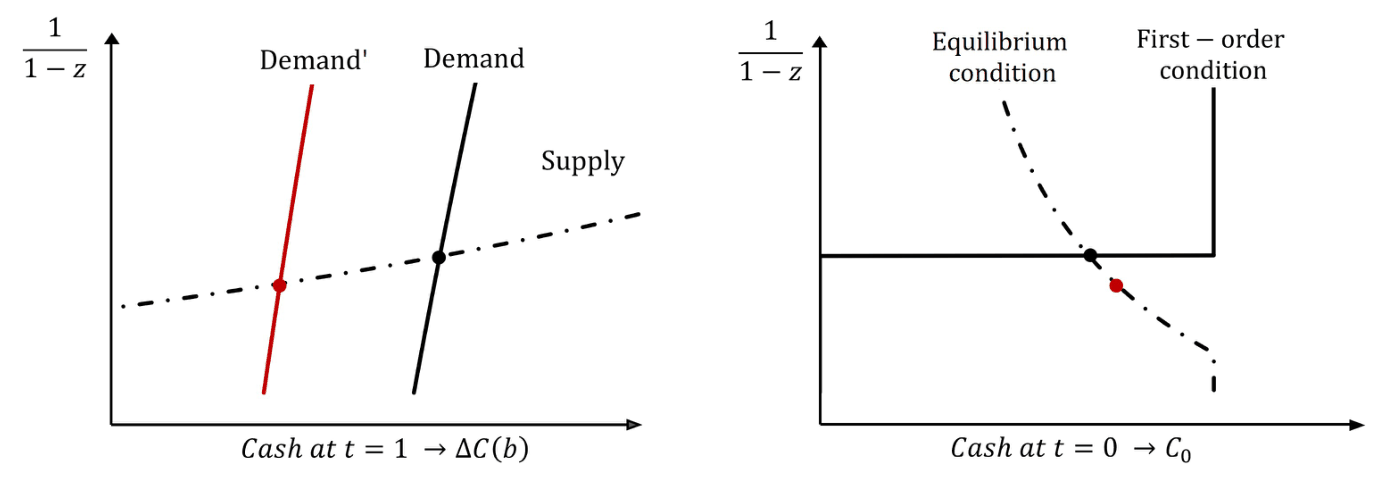
Pension Funds’ Swap-Driven Liquidity Risk: Dutch pension funds use interest rate swaps more aggressively when underfunded, exposing themselves to margin calls exceeding 6% of assets and forcing procyclical sales of government bonds. (2026-09-16, fanfare: 2)
A Theory of Bank Liquidity Requirements: The study develops a general equilibrium model of financial intermediation showing that liquidity regulation alone cannot achieve efficient allocations and requires complementary policies like bank size limits. (2026-09-17, fanfare: 2)
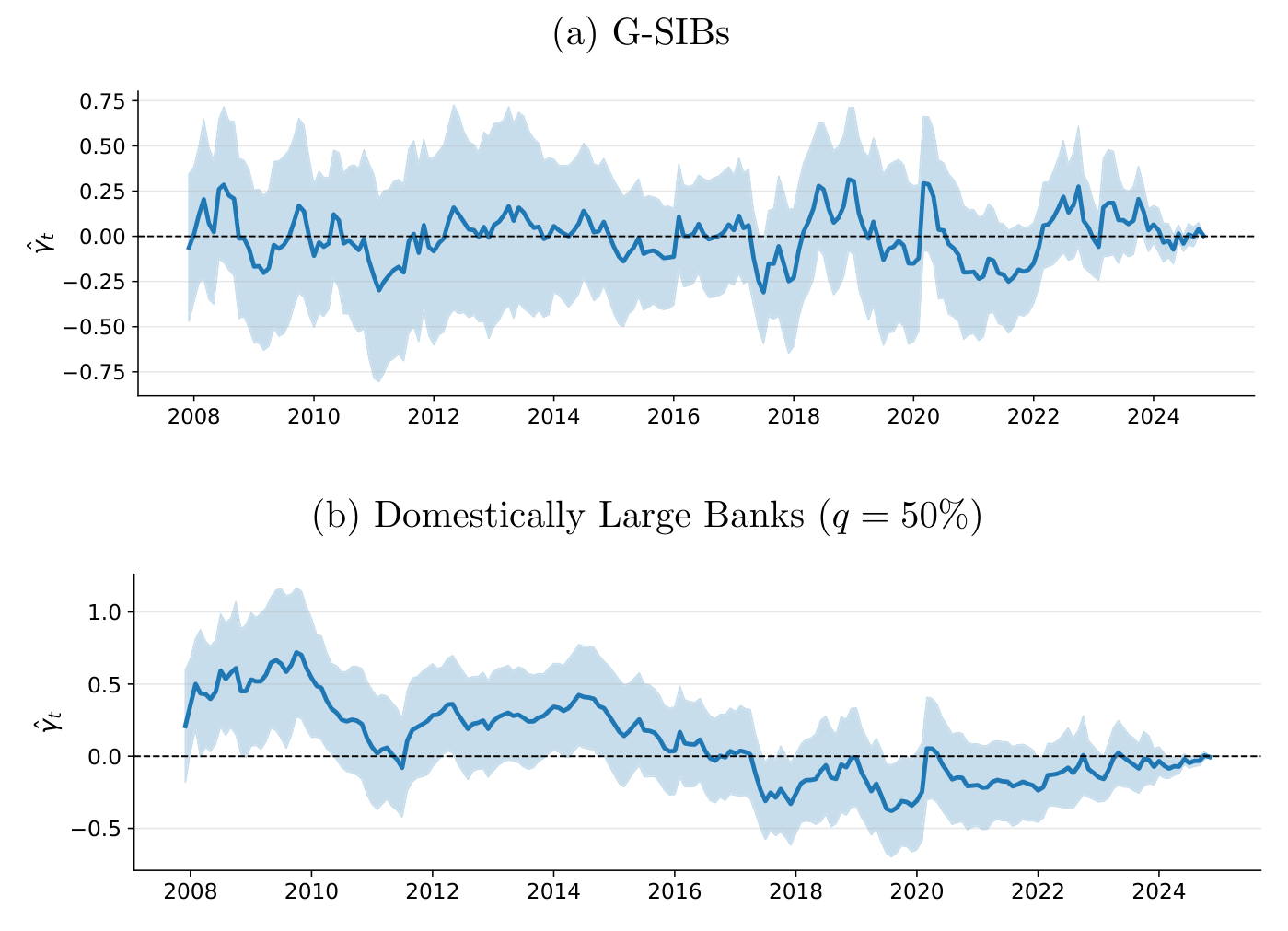
Too-Big-to-Fail Premium in European Banking: European banks with assets exceeding half of home GDP enjoy at least 30 percent lower credit spreads, and this implicit subsidy persists and depends on sovereign fiscal strength. (2026-09-17, fanfare: 2)
Fanfare (1 to 5) estimates how much attention each paper is likely to get. Figures come from each paper’s own PDF.